

shahid
seo analyst
1 January 2026
5 read
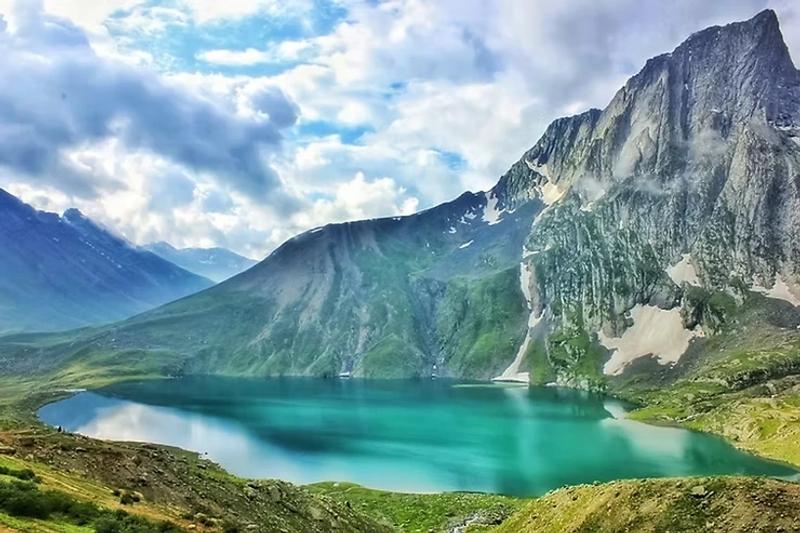
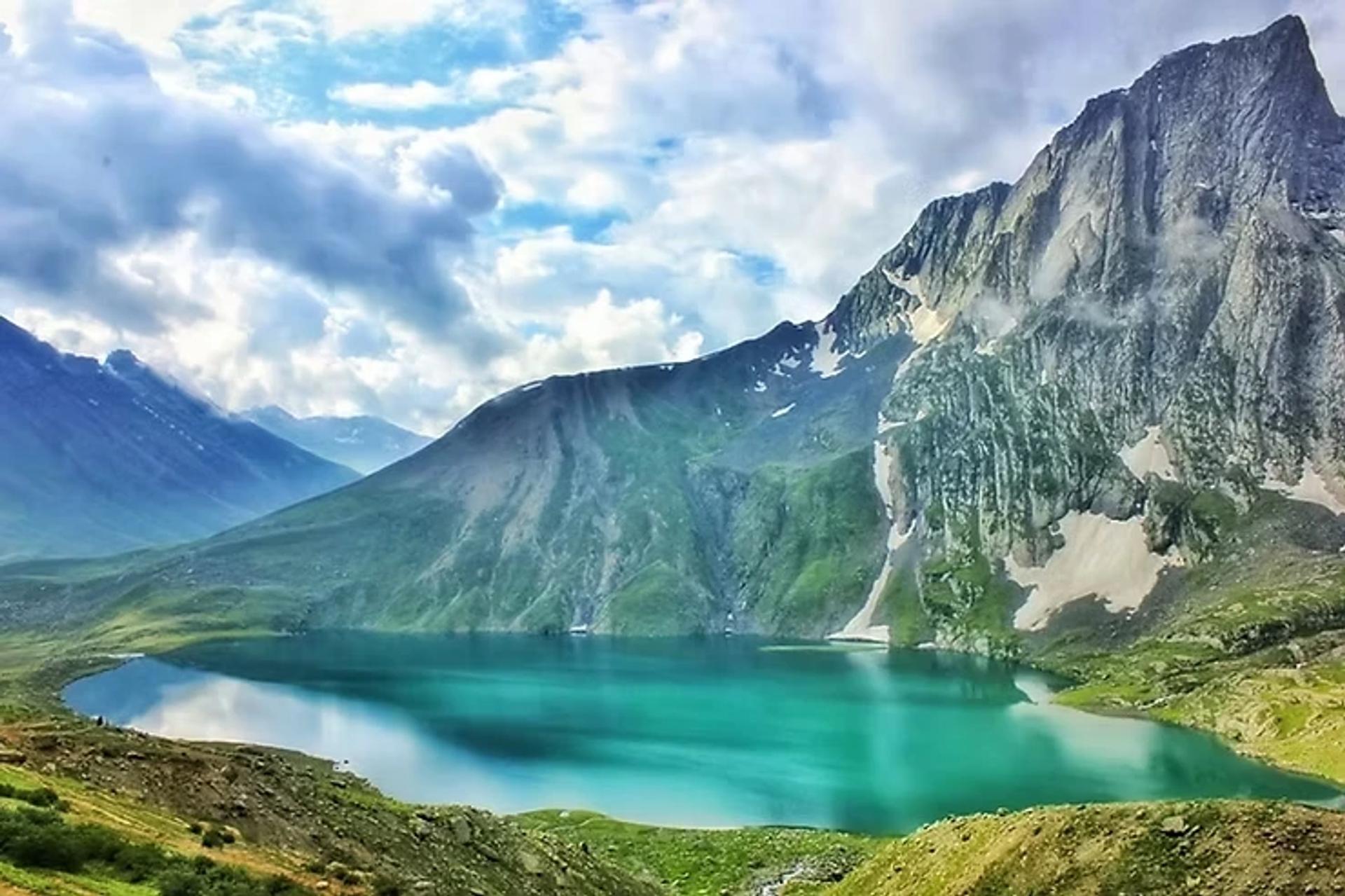
The Kashmir Great Lakes Trek is a 70–75 km high-altitude trail in Jammu & Kashmir, India, completed in 7–8 days. Starting at Sonamarg and finishing at Naranag, the Kashmir Great Lakes Trek passes seven glacier-fed alpine lakes at elevations between 3,500 m and 4,250 m. Rated moderate to difficult, it is best attempted between mid-July and mid-September — and is widely regarded as the most scenic trek in all of India.
Why the Kashmir Great Lakes Trek Stands Apart
There are treks, and then there are transformations. The Kashmir Great Lakes Trek belongs firmly in the second category. For seven consecutive days you walk through a landscape so extravagant in its beauty — glacial lakes shimmering in emerald and cobalt, meadows blanketed with wildflowers, ridgelines dusted with fresh snow — that you start to question whether any of it is real.
Unlike the crowded circuits of Uttarakhand or Himachal Pradesh, this trail in Kashmir still carries the quality of genuine discovery. The meadows are unspoiled, the campsites feel private, and the silence is the kind you can actually hear. Every single lake looks like it was painted by someone who had never encountered restraint.
EXPLORE MORE — RELATED GUIDES
Kashmir in September | Dal Lake Kashmir | Best Time to Visit Kashmir | Pahalgam Tourism
Trek at a Glance — Quick Facts
The Seven Lakes — What Makes Each One Unforgettable
The real stars of the Kashmir Great Lakes Trek are not the mountains — they are the lakes. Seven of them, each with a completely different personality, scattered across the high-altitude landscape like mirrors left behind by the gods.
- Vishansar Lake — 3,710 m · Day 2Turquoise, crescent-shaped, and utterly serene. The first lake of the trek reflects the surrounding snow peaks perfectly in the early morning calm. Reach it after crossing Nichnai Pass.
- Krishnasar Lake — 3,801 m · Day 3Twin to Vishansar in geography but opposite in mood — darker, deeper, and more mysterious. The contrast between the two lakes, seen within hours of each other, is startling.
- Gadsar Lake — 3,600 m · Day 4Reached only after crossing the formidable Gadsar Pass at 4,250 m — the highest point of the trek. Snow lingers on its shores well into August, giving it a raw, elemental quality.
- Satsar Lakes — 3,600 m · Day 5Not one lake but seven tiny ones clustered together. 'Satsar' means seven lakes in Kashmiri. They glitter at slightly different elevations across a sweeping green meadow bowl.
- Gangabal Lake — 3,576 m · Day 6The largest and most sacred lake on the route. The Harmukh peak (5,142 m) reflects in its still waters — a view that regularly features in lists of the most beautiful scenes in all of India.
- Nundkol Lake — 3,511 m · Day 6Sits just below Gangabal and is often visited the same evening. Smaller, more intimate, with a dramatic wall of mountain rising directly behind it.
Day-by-Day Itinerary — The Complete Route
Most operators run the Kashmir Great Lakes Trek over 7 days, with an optional 8th rest day at Vishansar or Gangabal for those who want to linger. Here is the standard 7-day breakdown:
Best Time to Visit — When Should You Go?
The Kashmir Great Lakes Trek has a narrow seasonal window of roughly 10 weeks. Choosing the right month shapes your entire experience:
- July — Wildflowers and Lush Meadows July brings maximum colour — the margs (meadows) explode green after snowmelt and wildflowers cover every slope. Some passes may still have snow patches and trails can be muddy after rain.
- August — The Sweet SpotPeak season for a reason. Most stable weather, passes fully clear, lakes perfectly accessible. Can be busier around popular campsites like Gangabal — book your operator early.
- September — The Golden SeasonFor experienced trekkers, September is the finest month. Skies clear to an almost impossible blue, the landscape turns autumn gold, and the trail is far quieter than August. Nights can drop to -3°C or below — pack accordingly.
How Difficult Is the Kashmir Great Lakes Trek?
The Kashmir Great Lakes Trek is graded moderate to difficult — and that grading is accurate. The trek stays above 3,500 m almost throughout. Gadsar Pass at 4,250 m is the highest point and demands genuine cardiovascular fitness. Daily elevation gains run from 400 m to 1,200 m. The trail is not technical — no climbing gear required — but altitude sickness is a real risk. Proper acclimatisation on Day 1 is absolutely non-negotiable. If you can walk 10–12 km with a 5–7 kg pack without feeling destroyed, you are well-placed for this trek.
Extend Your Trip — Beyond the Trek
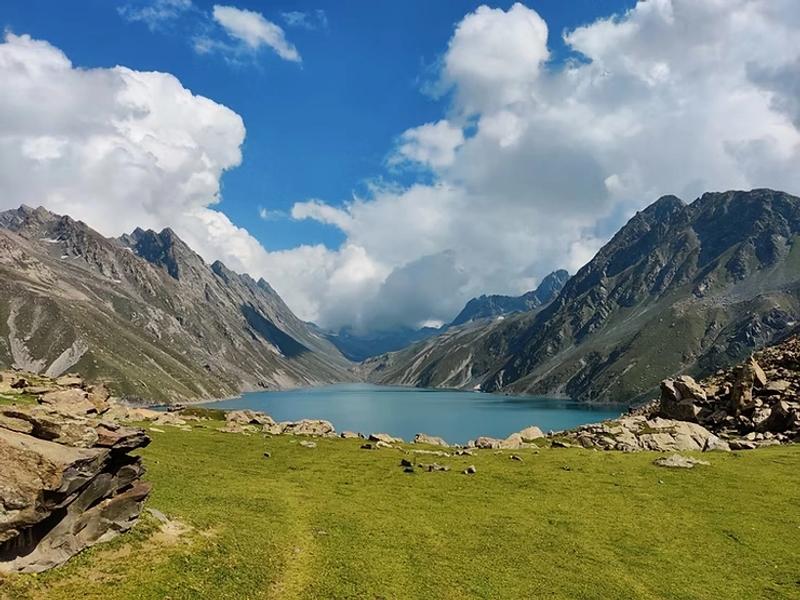
After seven demanding days on the trail, Kashmir rewards you with some of the most beautiful towns in India. Pahalgam Tourism — a short drive from Srinagar — offers riverside walks, Aru Valley day trips, and the kind of slow mountain pace your body needs after the high passes. Combine it with a sunset shikara ride on Dal Lake Kashmir and a night on a traditional houseboat — the perfect counterpoint to the solitude of the Great Lakes trail.
FINAL THOUGHTS — IS THIS TREK WORTH IT?
The Kashmir Great Lakes Trek is demanding, remote, and requires real preparation. But for those who complete it, the verdict is almost always the same: worth every step. Seven glacial lakes, open Himalayan meadows, dramatic mountain passes, and a silence you can feel on your skin — it is a combination that exists nowhere else in India.Whether you time it for the wildflower rush of July, the golden clarity of August, or the quiet autumn magic of September — the mountains will be waiting. Go prepared, go with a good guide, and give yourself the time to truly absorb what you are walking through. This is the Kashmir Great Lakes Trek. You will not forget it.
Contact Us
Frequently Asked Questions
Q How difficult is the Kashmir Great Lakes Trek?
It is rated moderate to difficult. You cover 70–75 km over 7 days with daily ascents of 500–1,200 m and a maximum altitude of 4,250 m at Gadsar Pass. No technical climbing skills are required, but cardiovascular fitness and some prior hiking experience are strongly recommended.
Q What is the best time to do the Kashmir Great Lakes Trek?
Mid-July to mid-September is the ideal window. July offers wildflowers and lush meadows, August brings the most stable weather, and September delivers clear skies and autumn colours with far fewer trekkers on the trail. Always avoid trekking after mid-September.
Q How many lakes are on the Kashmir Great Lakes Trek?
Seven — Vishansar, Krishnasar, Gadsar, Satsar (a cluster of seven small lakes), Gangabal, and Nundkol. Each lake has a distinct colour, altitude, and character. Gangabal with the Harmukh peak reflection is widely considered the most spectacular.
Q Do I need permits for the trek?
Yes. A Forest Department Permit and a Protected Area Permit (PAP) are required. Reputable operators include both in their package. Always confirm this before booking and carry your original ID documents throughout the trek.
Q Is it safe to trek in Kashmir?
The trekking corridors used for this route — Sonamarg and Naranag — have been consistently safe for domestic and international tourists for several years. Always trek with a registered operator, stay updated on local advisories, and follow your guide's instructions on the mountain.

