

shahid
seo analyst
30 September 2026
10 read
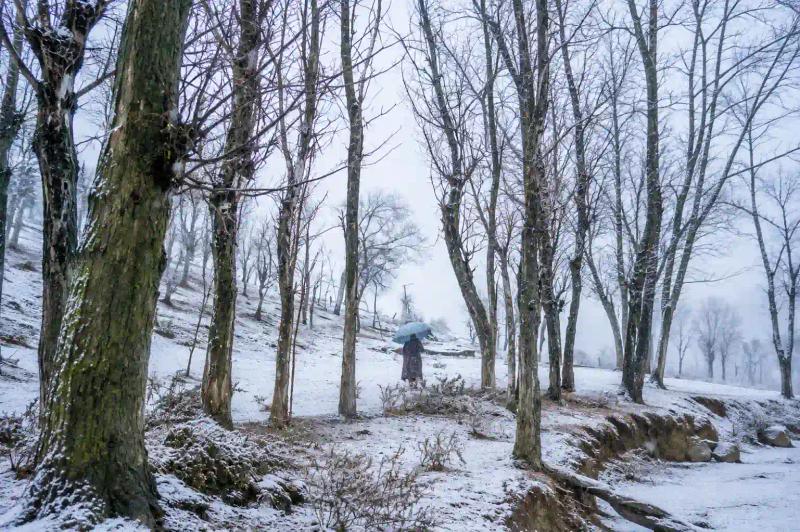
Most winter guides to Kashmir, including our own Kashmir in January guide, stop at snow. They tell you where to see it, where to slide on it and what to wear against it. But Kashmir winter food and culture tell a warmer story that only locals really know: a steaming bowl of harissa at sunrise, a kangri glowing under a woollen pheran, and a cup of kahwa while flakes settle on the windowsill. These small rituals make a Kashmir winter feel warm despite the cold.
This guide explains Kashmir winter food and culture, including the clothing, heating and traditions of the coldest months, so you can plan a trip that feels personal instead of just scenic. You will learn what Chillai Kalan means, which dishes to try, how the pheran and kangri work, where and when to eat, and how to stay safe and respectful while you do it.
At a Glance: Food, Clothing and Best Months
- Coldest period: Chillai Kalan, from 21 December to about 31 January.
- Must-try dishes: harissa for breakfast, nadru yakhni, shab deg and dried vegetable dishes.
- Must-try drinks: noon chai and saffron kahwa.
- What locals wear: a woollen pheran, often with a kangri (fire pot) underneath.
- Best months for food and culture: December and January.
- Vegetarian friendly: yes, with nadru yakhni, haak, dum aloo and fresh bread.
What Is Chillai Kalan and Why Does It Matter?
Chillai Kalan is the coldest stretch of the Kashmir winter. The name comes from Persian, where chilla means forty and kalan means major or big, so it literally refers to the great forty-day cold. It begins around 21 December, the same date that Persian tradition marks as Shab-e-Yalda, and it shapes how Kashmiris eat, dress, heat their homes and plan their days.
Chillai Kalan is the coldest stretch of the Kashmir winter. The name comes from Persian, where chilla means forty and kalan means major or big, so it literally refers to the great forty-day cold. It begins around 21 December, the same date that Persian tradition marks as Shab-e-Yalda, and it shapes how Kashmiris eat, dress, heat their homes and plan their days.
The periods are counted by tradition, so dates can differ by a day or two between sources. For the weeks leading up to the freeze, see our Kashmir in November guide. This article stays with the human side of winter.
The first day of Chillai Kalan is now celebrated in Srinagar as Pheran Day. Locals and visitors wear traditional pherans, carry kangris and gather in the city centre for photos and conversation. If your dates allow, it is a lively way to start your Srinagar sightseeing.
How Daily Life Changes in the Valley
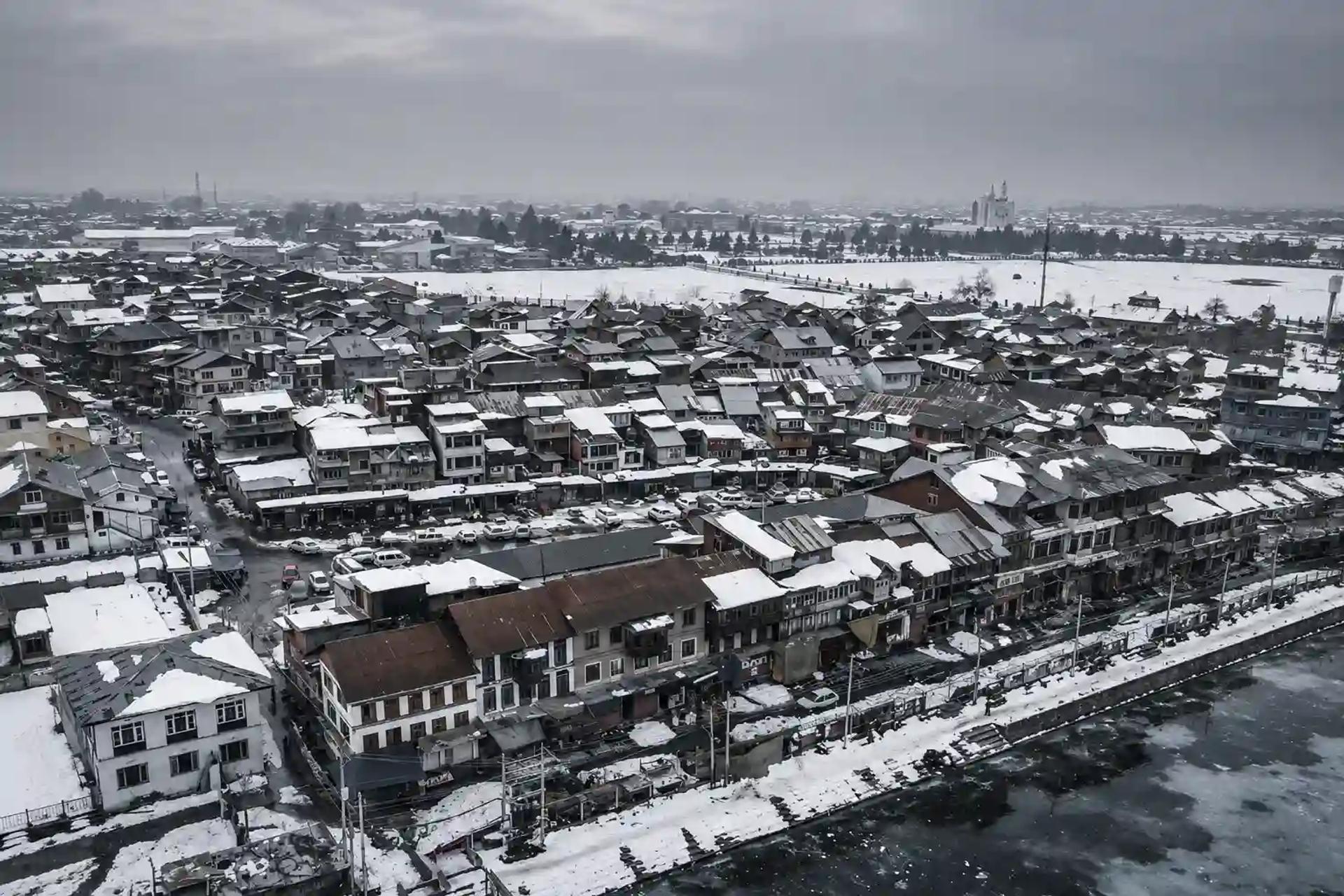
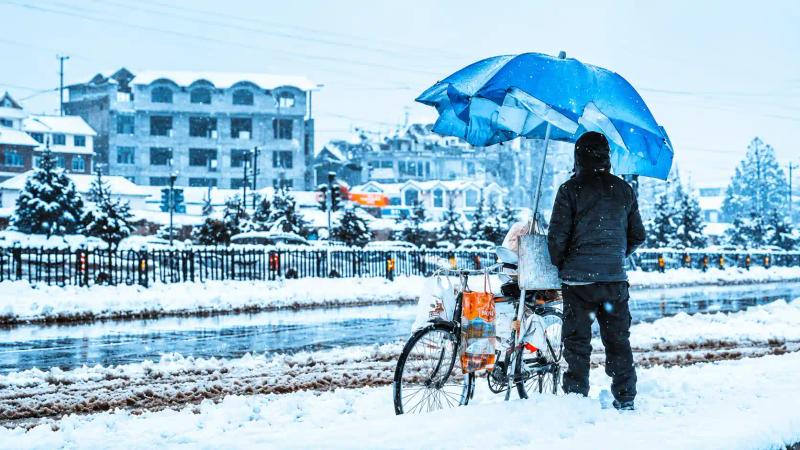
When temperatures drop below freezing, the valley slows down. People leave home later in the morning and return earlier in the evening. Heavy snow can block roads, so fresh vegetables become scarce, and households rely on food they dried and stored during the warmer months. In the coldest years, water pipes freeze partly and sections of Dal Lake can freeze too.
Homes, mosques and hotels are heated with traditions that pre-date electric heaters. Wood-fired hamams, bukhari stoves and the portable kangri all keep families warm. As a visitor you experience the quieter side of the city: shorter days, warm interiors, long tea breaks, quiet gardens like Nishat Bagh and food that is cooked slowly.
Kashmir Winter Food You Should Try
Kashmir winter food and culture meet at the table, where meals are slow, rich and designed to warm you from inside. It is different from the grand multi-course feast we cover in our Wazwan guide. These are the everyday comfort foods that families eat when the snow is deep.
Harissa: Kashmir's Winter Breakfast
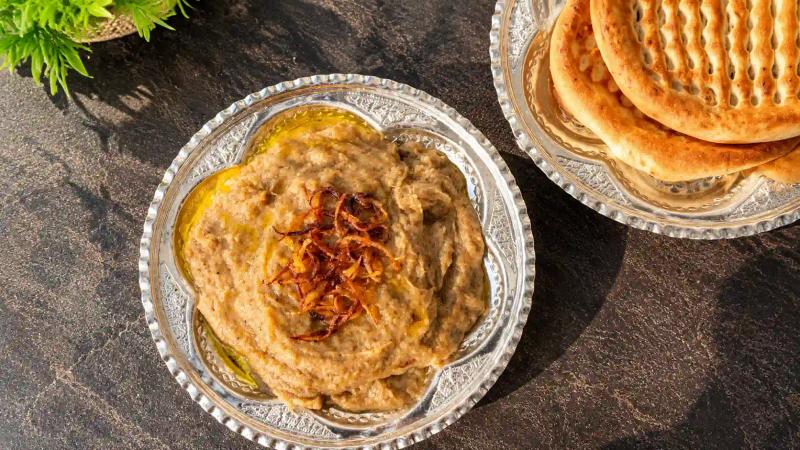
Harissa is the dish most closely linked with Chillai Kalan. Lean mutton is cooked with rice and spices such as fennel, cardamom, clove and salt for many hours until the meat and rice blend into a thick, smooth mixture. It is served hot, often topped with oil or ghee, with fresh bread and kebabs on the side. Sharing it with guests is part of Kashmir's famous hospitality.
Harissa is traditionally sold in the Old City of Srinagar from very early in the morning and is often finished by mid-morning. If you sleep in, you may miss it, so it helps to go with a guide from a trusted local operator. It is a heavy, non-vegetarian dish, so eat a small portion first and pair it with a cup of noon chai or kahwa.
Vegetarian and Lighter Options
Not every winter meal is meat. Vegetarian travellers, including families on a Kashmir family tour, have plenty of choices.
- Nadru yakhni: lotus stem in a mild yogurt gravy, eaten with rice.
- Haak: leafy greens cooked simply and served with rice, a Kashmiri everyday staple.
- Dum aloo: potatoes slow-cooked in a spiced gravy.
- Dried vegetable dishes: earthy, filling and made from summer-dried produce.
- Fresh bread with noon chai: a simple breakfast that many locals prefer.
The Winter Pantry: Dried Vegetables, Dried Fish and Dry Fruits
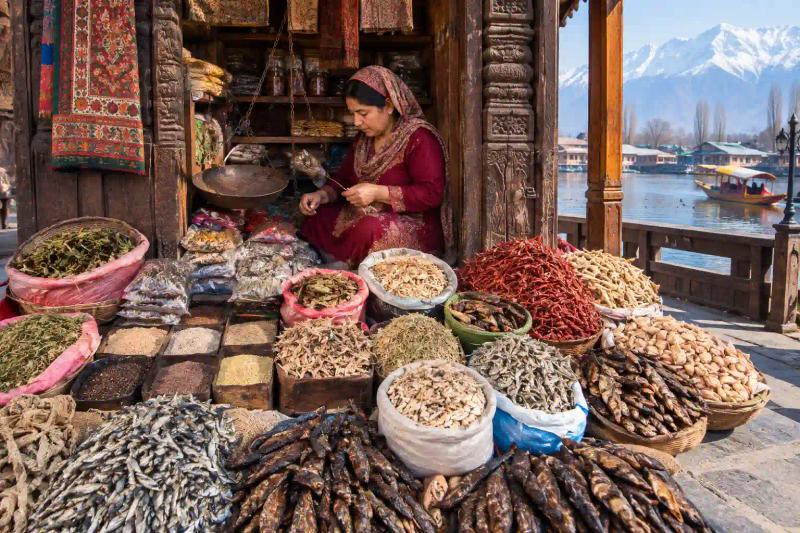
Long before refrigerators, Kashmiri families prepared for winter by drying vegetables and fish in the summer sun and storing them for months. Strings of dried vegetables are still a common sight in traditional homes. Walnuts, almonds and other dry fruits are eaten daily during the cold months for energy. If you want to bring some home, our shopping guide explains what to buy and how to spot quality.
Tea Culture: Noon Chai and Kahwa
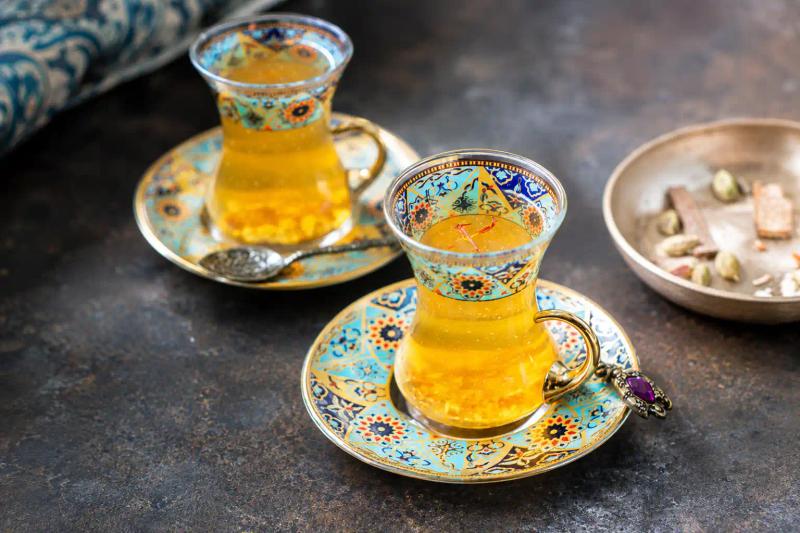
Tea is the heartbeat of a Kashmiri winter, and a warm cup ranks high among the best things to do in Kashmir. Noon chai is a salted milk tea that gets its pink colour from slow brewing, and it is usually had with bread in the morning. Kahwa is a lighter, fragrant green tea made with saffron, cardamom, cinnamon and almonds, and it is traditionally served from a brass samovar.
The best time for kahwa is after sightseeing, when your hands are cold and you are ready to sit. Houseboat lounges and cafes are easy places to stop, especially after a shikara ride on Dal Lake.
Pheran: More Than a Winter Coat
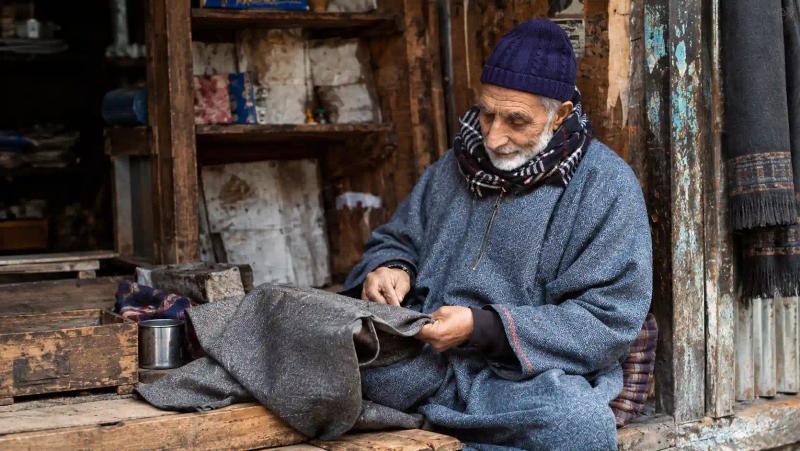
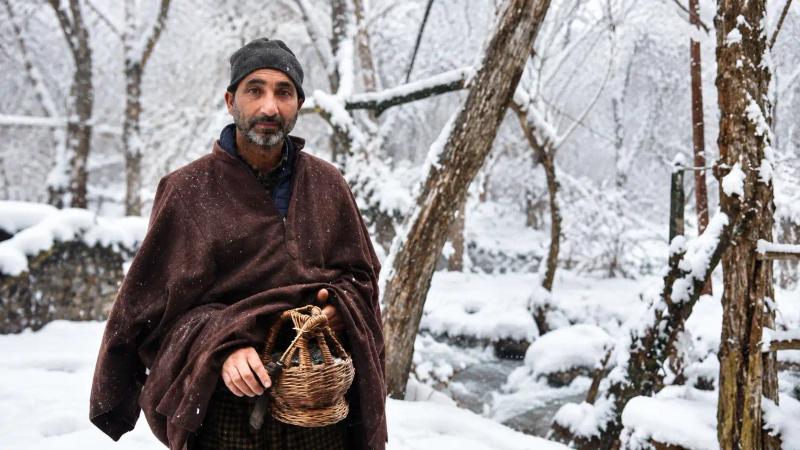
The pheran is a long, loose woollen gown worn by both men and women over regular clothes. Its wide cut is not just about style. It leaves room underneath for a kangri and traps warm air around the body. Everyday pherans are simple and sturdy, while embroidered ones are worn for weddings, festivals and special occasions. You will spot them everywhere, from Srinagar lanes to villages around Pahalgam.
Visitors can wear a pheran for photos or as a warm outer layer, and it also makes a meaningful keepsake. Choose a loose fit, check the fabric quality and buy from a trusted shop. Prices vary widely, so compare before you decide, and see our budget Kashmir tour package guide to keep shopping within a realistic budget.
Kangri: The Fire Pot Under the Pheran
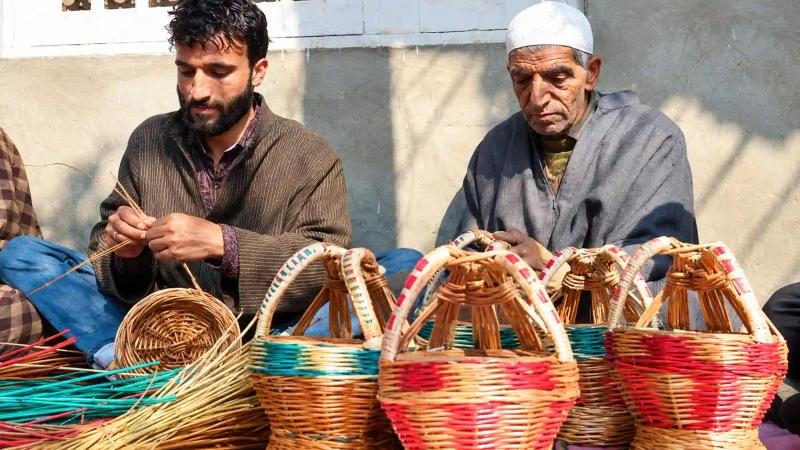
A kangri is a small earthen pot set inside a wicker basket and filled with glowing coals. Kashmiris carry it under the pheran to keep the body warm for hours, and the coals are usually replaced each morning. Together, the pheran and kangri are the most recognisable image of a Kashmiri winter. It matters even more in remote, snowy valleys such as Gurez.
For visitors, a kangri is best treated as something to see rather than something to use. Hot coals are a burn and fire risk, and in closed rooms with poor ventilation coal fumes can be dangerous. For general travel safety, read is Kashmir safe to visit.
- Never keep a kangri near bedding, curtains or clothes.
- Never sleep with one in the room.
- Do not carry live coals in a car or on a flight.
- Buy an empty decorative kangri if you want a souvenir.
Hamams and Bukharis: Traditional Heating
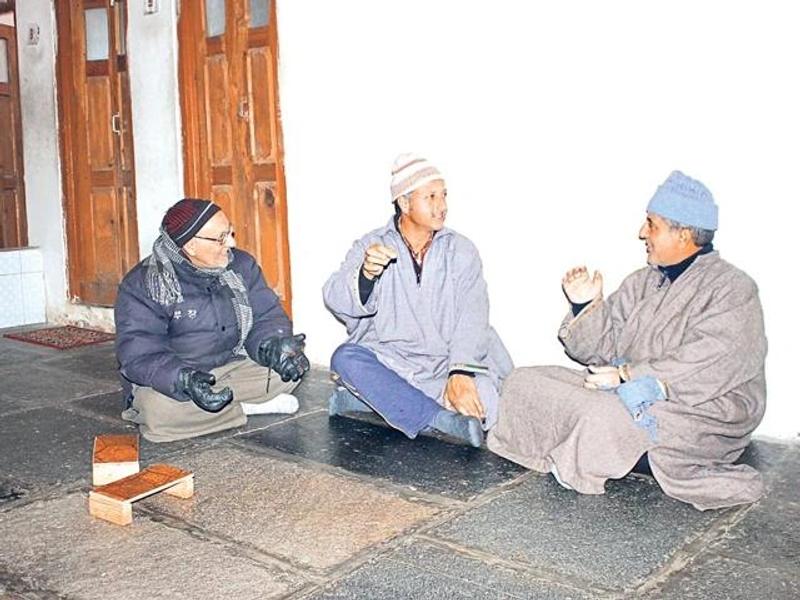
A hamam is a room heated by a fireplace built beneath its stone floor. It is a place where people gather to warm up, talk and pass the snowy hours. A bukhari is a wood-fired stove found in many homes and hotels. Both are part of how Kashmir handles the cold. Visitors from warmer cities, such as those on our Kashmir tour package from Bangalore, are often surprised by how cold unheated rooms feel.
When you book a stay, ask what heating the property offers, such as room heaters, bukharis or central heating. Good heating makes the difference between a cosy winter trip and a difficult one. Our 4N/5D package breakdown shows what a well-planned stay includes.
Winter Traditions and Stories
Winter in Kashmir has always been a season for stories, just as autumn is a season for colour. Families gather around the hearth, elders share tales and poetry, and neighbours visit for tea. According to popular local belief, some people also shave their heads during Chillai Kalan, saying that the harsh weather can damage hair.
These are living traditions, not performances. If you want to photograph people, ask for permission first, and dress modestly around mosques and shrines. A respectful attitude usually leads to warm invitations, extra cups of tea and better stories. Operators who plan itineraries, as explained in our Kashmir tours and travels guide, usually brief guests on local etiquette.
Where and When to Eat
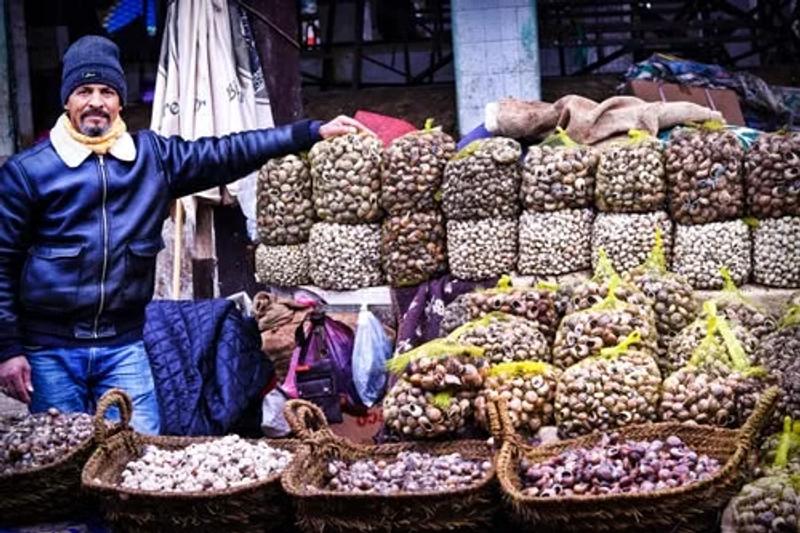
For harissa, head to the Old City of Srinagar early, ideally soon after sunrise, with a local guide or driver from a reliable tour operator who knows which shops are open that day. For noon chai and bread, neighbourhood bakeries are the most authentic option. For kahwa, cafes, hotel lounges and houseboats are comfortable and easy.
Hotels and homestays can sometimes arrange harissa or traditional dinners if you tell them in advance. Our team can also arrange guided Kashmir winter food and culture experiences as part of your itinerary. Many guests pair a food morning with a snow day in Gulmarg, and our gondola comparison helps you choose the ride.
A One-Day Winter Food and Culture Plan in Srinagar
Best Winter Months for Food and Culture
Not sure which month suits you? Our best time to visit Kashmir guide compares every season.
What to Wear and Pack
Dress in layers: thermal base layers, a warm sweater, a windproof outer jacket, woollen socks, gloves, a cap and waterproof boots with good grip. Old City lanes can be icy early in the morning. Our season-wise packing guide has the full checklist.
Tips for Winter Food Travellers
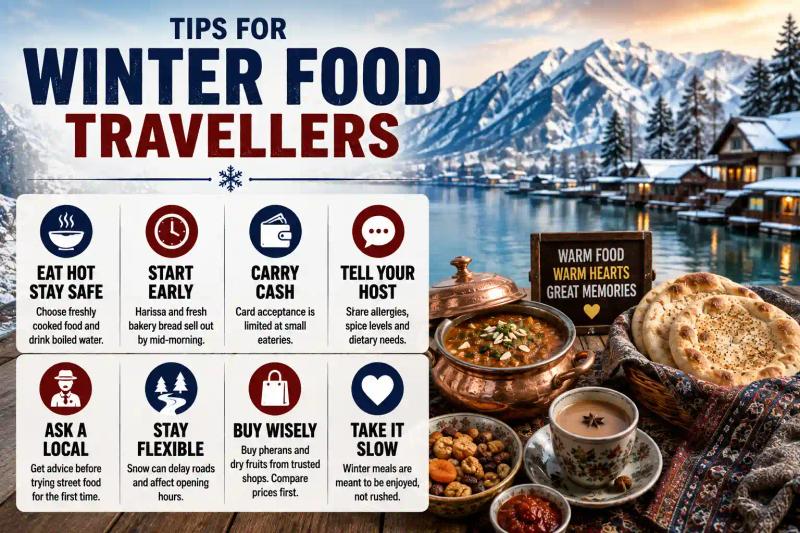
- Choose freshly cooked, hot food and drink bottled or boiled water.
- Start early. Harissa and fresh bakery bread sell out by mid-morning.
- Carry some cash for small eateries, as card acceptance can be limited.
- Tell your host about allergies, spice levels and dietary needs in advance.
- Ask a local guide before trying street food for the first time.
- Keep flexible timings, as snow can delay roads and opening hours.
- Buy pherans and dry fruits from trusted shops and compare prices first.
- Take it slow. Winter meals are meant to be enjoyed, not rushed.
Conclusion
Snow makes Kashmir beautiful in winter, but Kashmir winter food and culture are what make it memorable. A trip that includes an early harissa breakfast, an afternoon of kahwa and a slow dinner with a local family will stay with you far longer than photographs of the white mountains of Sonamarg alone. Pick your month, pack warm, wake up early and let the season set the pace.
Ready to plan the rest of the trip? Couples can start with our honeymoon packages guide, and our team will shape the route around your dates.
Contact Us
Want a winter trip built around food, culture and local experiences? Our Srinagar-based team can plan the whole route around your dates, interests and comfort level, from heated stays to guided food walks, or you can start with our trip builder.
FAQs
What is Kashmir winter food?
It is warm, slow-cooked food built around what families stored for the cold. Popular choices include harissa, nadru yakhni, shab deg, dried vegetable dishes, noon chai and kahwa.
What is Chillai Kalan?
It is the coldest 40-day period of the Kashmir winter, traditionally beginning on 21 December. It is followed by Chillai Khurd and Chillai Bachha.
What is harissa and when can I eat it?
Harissa is a slow-cooked mutton and rice dish eaten as a winter breakfast. It is a seasonal dish, usually available in the colder months and best had early in the morning.
What is the difference between a pheran and a kangri?
A pheran is a loose woollen gown, and a kangri is a small pot of hot coals carried under it for warmth.
Is Kashmiri winter food suitable for vegetarians?
Yes. Nadru yakhni, haak with rice, dum aloo, dried vegetable dishes and fresh bread are good vegetarian options.
Is it safe for tourists to use a kangri?
It is safer to enjoy it as a cultural sight. Hot coals are a burn and fire risk, and coal fumes can be dangerous in closed rooms, so never use one near bedding or while sleeping.
What is the difference between noon chai and kahwa?
Noon chai is a pink, salted milk tea, while kahwa is a lightly spiced saffron green tea with almonds.
What is Pheran Day?
Pheran Day is celebrated on 21 December, the first day of Chillai Kalan, when people wear traditional pherans and carry kangris.
Which month is best for winter food and culture?
January is the deepest winter and the peak of harissa season, while December is good for Pheran Day and festive atmosphere.
Can I book a guided food experience?
Yes. Our team can arrange guided winter food walks and traditional meals as part of your Kashmir itinerary.


