


shahid
seo analyst
14 August 2026
5 read
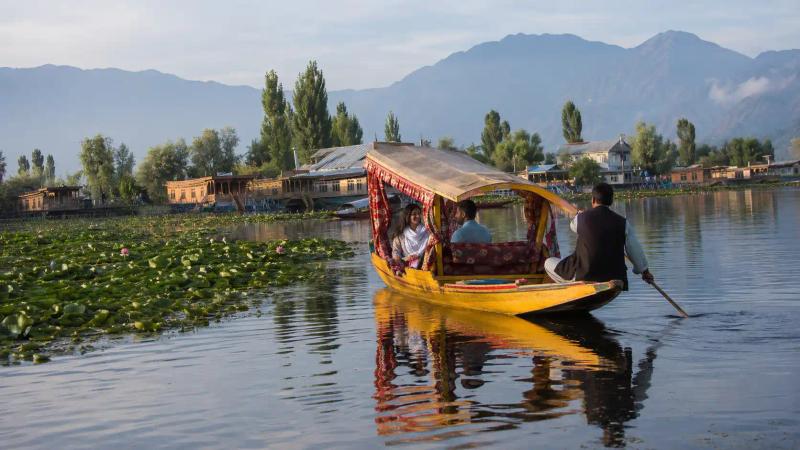
A shikara ride in Srinagar is not just a boat trip — it is the single experience that captures the soul of Kashmir. Gliding across Dal Lake at sunrise, past floating gardens, houseboats, and snow-capped peaks reflected in still water, is why travelers keep calling Srinagar "Paradise on Earth." Whether you're on a quick weekend visit or a full Kashmir itinerary, a shikara ride belongs at the very top of your list — and this guide walks you through everything you need to know before you book one.
What is a Shikara?
A shikara is a traditional wooden boat, gently paddled by a single oarsman, that has moved people and goods across Srinagar's lakes for centuries. Cushioned seats, a canopy roof, and carved woodwork make it as comfortable as it is picturesque — closer to a floating living room than an ordinary boat. Locals sometimes call it the "taxi of Dal Lake," since for generations it has served as the primary way to reach houseboats, floating markets, and lakeside gardens that cars simply cannot access. It's often the first of many top Kashmir experiences visitors tick off their list.
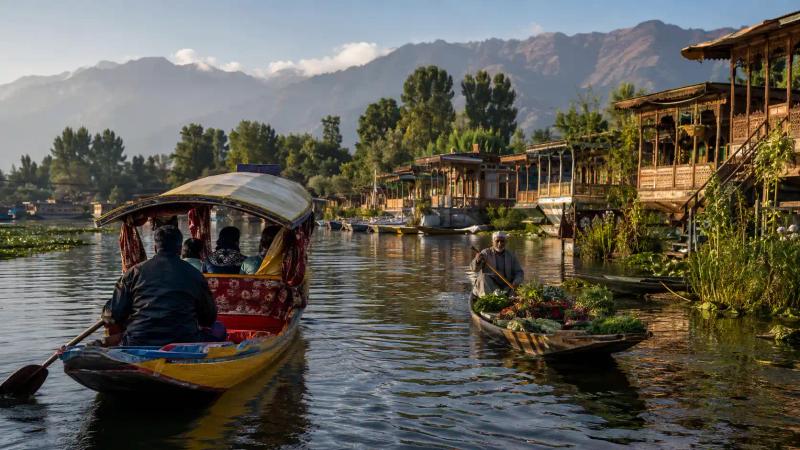
Each shikara is handcrafted from local wood, painted in bright colors, and often given a name — much like a houseboat. Some are strictly functional, used by vendors moving flowers, vegetables, or firewood across the lake at dawn. Others are elaborately decorated with cushions, carpets, and canopies specifically for tourists, offering a slow, scenic ride that feels more like relaxing in a lounge than commuting on water.
A Brief History of the Shikara
The shikara's role in Srinagar's daily life dates back centuries, closely tied to the growth of the Dal Lake settlements themselves. Long before roads connected every part of the city, entire communities living on and around the lake depended on shikaras for transport, trade, and even courtship — traditional Kashmiri weddings once saw the groom's party arrive by a decorated shikara procession. Vendors selling fresh produce, flowers, and handicrafts still paddle from houseboat to houseboat each morning, continuing a floating economy that has barely changed in generations.
Today, the shikara has evolved into one of Kashmir's most recognizable tourism symbols, but it hasn't lost its everyday function. Locals still use it to reach schools, mosques, and markets scattered around the lake's edges, which is part of what makes riding one so special — you're not just sightseeing, you're briefly stepping into the rhythm of a community that genuinely lives on water.
Best Places for a Shikara Ride in Srinagar
1. Dal Lake
The classic shikara route. You'll pass the famous Houseboat Row, floating vegetable markets, Nehru Park, and the Mughal gardens lining the eastern shore. This is the ride most first-time visitors picture when planning their Kashmir trip. Dal Lake is divided into several interconnected basins, and a good oarsman will weave you through narrow water channels between floating gardens that most visitors never even know exist, alongside the more familiar open-water stretches near the houseboats. If a Dal Lake shikara ride is the centerpiece of your visit, it's worth browsing our complete Dal Lake travel guide for the full range of routes and stay options.
2. Nigeen Lake
Quieter and less crowded than Dal Lake, Nigeen is ideal for travelers who want the same beauty with more calm — a good pick for a relaxed evening after a day of sightseeing. Nigeen is technically connected to Dal Lake by a channel, but it feels like a different world: fewer boats, fewer vendors, and a stillness that makes it popular with photographers and anyone looking to simply sit back and enjoy the mountain views without the crowds. It's one of many top Kashmir experiences that rarely make it onto a first-timer's checklist.
3. Nehru Park to Char Chinar
One of the most popular short routes, this ride takes you to Char Chinar — a small island with four iconic chinar (maple) trees planted centuries ago. It's a favorite stop for photographs, especially in autumn when the chinar leaves turn a deep red-gold.
4. The Floating Gardens (Raad)

Locally known as "Raad," these floating vegetable gardens are one of Dal Lake's most unique features. Built on layers of weeds and soil anchored to the lakebed, they produce much of Srinagar's tomatoes, cucumbers, and lotus stems. A shikara route through the floating gardens offers a completely different, more rural side of the lake compared to the houseboat-lined main channels.
Best Time of Day for a Shikara Ride
- Sunrise (5:30–7:00 AM): Misty water, golden light on the Zabarwan hills, and the floating vegetable market in full swing — the most magical and least crowded window.
- Mid-morning (8:00–10:00 AM): A good balance of soft light and fewer crowds, ideal if you'd rather sleep in but still want calmer water before the day's traffic picks up.
- Sunset (5:30–7:00 PM): Warm orange skies over the lake, popular for photography and couples.
- Night ride: Illuminated houseboats reflecting on calm water — quieter and romantic, best suited to those on a Kashmir honeymoon trip.
If you can only choose one time slot, sunrise is consistently recommended by locals and repeat visitors alike. Not only is the light softer and the water stiller, but the floating market — where vendors trade fruits, vegetables, and flowers boat-to-boat — is a genuinely rare sight that mostly happens before 7 AM.
What You'll See Along the Way

A typical shikara ride covers houseboats, floating gardens growing lotus and vegetables, the Mughal-era Shalimar and Nishat Bagh gardens, and local artisans selling saffron, dry fruits, and handicrafts directly from their boats. It's a moving slice of everyday Kashmiri life on water.
Many of these stops also feature on wider lists of top Kashmir tourist attractions, so keep your camera close. Depending on your route, you might also pass:
- Houseboat Row: Dozens of intricately carved wooden houseboats, many over a century old, moored along the lake's edge.
- Hazratbal Shrine: Visible from the water on the northern side of the lake, its white dome reflecting beautifully at sunset.
- Local artisans: Boats selling handwoven shawls, papier-mâché items, and fresh saffron directly on the water — a floating marketplace unlike anywhere else in India.
- Lotus blooms: Between July and early September, parts of Dal Lake fill with blooming pink lotus flowers, adding another layer of color to the ride.
How Long Does a Shikara Ride Take?
Ride duration depends entirely on the route and how many stops you make. A short scenic loop near Nehru Park and Char Chinar can be done in under an hour, while a fuller route covering the floating gardens, Mughal gardens' waterfront, and Houseboat Row typically takes closer to 1.5–2 hours. If it's your first time in Srinagar, it's worth taking the longer route at least once — the floating gardens and quieter channels are where the ride truly comes alive.
Most visitors fit the ride into a wider Kashmir trip rather than a standalone visit. If you're mapping out travel from home, we have dedicated guides on how to plan a Kashmir trip from Delhi, plan a Kashmir trip from Mumbai, and plan a Kashmir trip from Bangalore, so you can slot the shikara ride into your itinerary at the right point.
What to Expect On Board
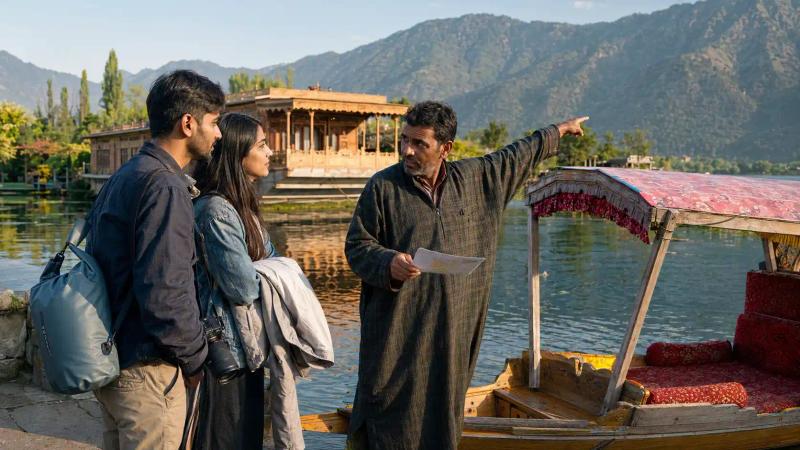
Shikaras built for tourists are typically fitted with soft cushioned seating, a canopy for shade, and sometimes small side tables. Most oarsmen are happy to point out landmarks, share stories about the lake, and slow down near photo-worthy spots without being asked. Many riders are surprised by just how quiet and smooth the experience is — the gentle splash of the paddle is often the only sound, especially during early morning rides before the lake gets busy.
It's common courtesy (and good practice) to agree on the route, stops, and total duration before boarding, so there's no confusion once you're out on the water enjoying the ride. Most visitors also come away commenting on the warm hospitality of Kashmir — the oarsmen included.
Seasonal Guide: Shikara Rides Through the Year

Spring (March–May)
The lake comes alive with blooming gardens along its banks, particularly around Nishat and Shalimar Bagh. Weather is mild and pleasant, making it one of the most comfortable seasons for a longer ride.
Summer (June–August)
Warm days and cool evenings make sunrise and sunset rides especially pleasant. This is also when the lotus flowers bloom across sections of the lake, adding vibrant color to the water. Summer is also peak season for trekkers heading out to the Kashmir's most beautiful trek, so it's common to combine both in one trip.
Autumn (September–November)
Considered by many photographers to be the most beautiful season — chinar trees turn deep red and gold, reflecting off the calm autumn water. Fewer tourists also means a quieter, more personal experience. For a closer look at exactly what to expect, see our guide to Kashmir's golden Chinar season, or our September Kashmir travel guide if you're visiting right at the start of the season.
Winter (December–February)
A completely different, almost surreal experience. On the coldest days, parts of the lake can partially freeze, and misty mornings give the ride an ethereal quality. Warm layers are essential, but winter shikara rides reward visitors with near-empty water and dramatic snow-covered mountain backdrops. Read our Kashmir winter travel guide before you pack for this season.
Types of Shikaras You'll See on the Lake
Not every shikara on Dal Lake looks the same, and part of the fun is noticing the variety. Tourist shikaras are usually the most decorated, with brightly colored cushions, floral names painted along the sides, and a canopy roof for shade. Vendor shikaras, by contrast, are built for cargo rather than comfort — flatter, wider, and often stacked with produce, flowers, or firewood. You'll also spot small, simple shikaras used purely for local transport between houseboats and the shore, stripped of any decoration since they're used daily rather than for sightseeing. Watching this working fleet move around you is, for many visitors, just as memorable as the scenery itself. A trusted local Kashmir tour operator can usually tell tourist and vendor shikaras apart at a glance and steer you toward the better-maintained boats.
Tips Before You Book
- Carry a light jacket even in summer — mornings and evenings on the lake are cool.
- Negotiate or confirm the route and duration before boarding.
- Combine your ride with a houseboat stay for the complete Dal Lake experience.
- Carry a light waterproof bag or cover for cameras and phones — splashes are rare but possible.
- If you're prone to motion sickness, note that shikaras move very gently, so it's rarely an issue, but sit toward the center for maximum stability.
- Pair it with nearby Mughal gardens and a Kashmiri Wazwan meal to round out the day — see our guide to Kashmiri Wazwan cuisine.
- Run through our Kashmir packing checklist before you leave, and check the Kashmir weather and travel conditions a day or two before your ride.
Photography Tips for Your Shikara Ride
Dal Lake is one of the most photogenic spots in all of Kashmir, and a shikara ride gives you angles you simply can't get from the shore. A few things to keep in mind: shoot toward the mountains during sunrise for that classic golden-mist look, and toward the water during sunset when the sky's colors reflect directly off the lake's surface. Keep your camera or phone in a splash-proof pouch, since a light breeze can occasionally send a fine spray over the sides. If you're using a phone, a simple stabilizing grip helps a lot, since the gentle rocking motion of the boat can blur handheld shots at slower shutter speeds.
Wide-angle shots work beautifully for capturing the full sweep of houseboats along the shoreline, while a slightly longer lens or zoom is useful for isolating details — a vendor's boat piled with lotus stems, or the intricate carving on a houseboat's wooden facade. Many photographers recommend the mid-morning slot specifically for photography, since the light is softer than midday but the lake has usually cleared of the thin morning mist that can make far-off mountains look hazy.
Shikara Etiquette and Local Customs
Kashmiri oarsmen take real pride in their boats and their knowledge of the lake, and a little courtesy goes a long way. It's customary to remove your shoes before stepping onto the cushioned seating area, much like entering someone's home. If your oarsman points out a landmark or shares a story, showing genuine interest is appreciated — many have paddled these waters their entire lives and carry decades of local history with them.
If you plan to buy anything from the floating vendors along the way — saffron, dry fruits, or handicrafts — a polite conversation and light negotiation is completely normal and expected. It's part of the experience rather than an inconvenience, and most vendors are happy to explain where their products come from and how they're made.
How to Book a Shikara Ride
Shikaras can be booked directly at various ghats (docks) around Dal Lake and Nigeen Lake, most notably near Nehru Park, Ghat No. 6, and Dal Gate. For first-time visitors, it's usually easier and more reliable to arrange the ride as part of a guided Kashmir itinerary, where transport, timing, and route are already coordinated — especially useful if you want a specific sunrise or sunset slot without the hassle of negotiating on arrival. If your stay includes a houseboat, your host will typically arrange transfers automatically, and you can request an extended sightseeing route for an additional charge if you'd like to explore beyond the standard drop-off.
If you're not sure who to book through, our guide on finding a reliable Kashmir tour operator and our roundup of a trusted Kashmir travel agency are good starting points, especially if you're also reading up on the latest Kashmir travel safety guide before booking. Traveling on a tighter budget? See our notes on an affordable Kashmir trip, and if you'd rather have the whole thing planned for you, read how Kashmir travel companies plan itineraries.
What to Do After Your Shikara Ride
Once you're back on shore, Srinagar has plenty to keep the day going. The Mughal gardens — Shalimar Bagh, Nishat Bagh, and Chashme Shahi — are all a short drive from the main ghats and pair naturally with a morning shikara ride. For lunch, look for a restaurant serving an authentic Kashmiri Wazwan spread, Kashmir's traditional multi-course feast built around slow-cooked meat dishes. If you have time later in the day, the old city's Jama Masjid and the bustling lanes around Lal Chowk offer a completely different, land-based side of Srinagar to explore.
Shikara Ride vs. Houseboat Stay: What's the Difference?
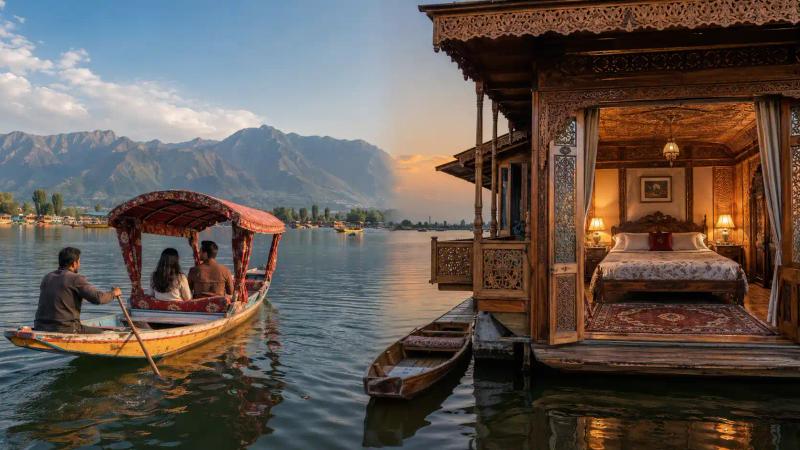
These two experiences are closely linked but not the same thing. A shikara ride is a short, guided boat trip across the lake — typically an hour or two — while a houseboat stay means actually sleeping aboard a docked, stationary wooden houseboat for one or more nights. Most houseboat bookings include shikara transfers to and from the shore, so you'll likely experience both even if you only book one. For travelers with limited time, a shikara ride alone is enough to experience Dal Lake's charm; for those wanting a fuller immersion, pairing it with at least one night on a houseboat is highly recommended. If you're building a short getaway around it, our 5-day Kashmir itinerary shows how a shikara ride and houseboat night fit comfortably into a longer Srinagar-Gulmarg-Pahalgam loop.
When to Visit for the Best Shikara Experience
Dal Lake is beautiful nearly year-round, but conditions change by season. Check our detailed breakdown of the best time to visit Kashmir to plan around weather, crowds, and blooming gardens. If you're traveling in the rainy months, our guide on whether Kashmir in monsoon is worth visiting can help you decide.
Is Srinagar Safe to Visit Right Now?
A common question before booking. Read our current, updated take: Is Kashmir Safe to Visit Right Now in 2026.
Beyond Dal Lake: Plan Your Full Kashmir Itinerary
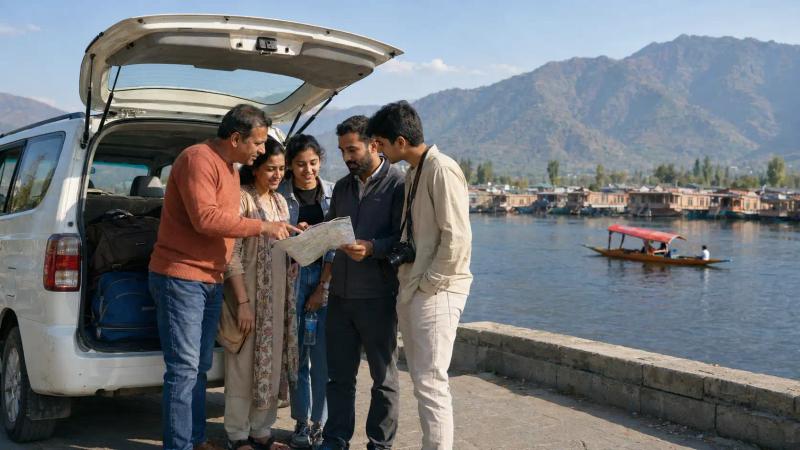
A shikara ride pairs perfectly with a wider Kashmir itinerary — Gulmarg's gondola, Pahalgam's valleys, and Srinagar's Mughal gardens. Start with our complete Kashmir trip planning guide, or compare Kashmir with other hill destinations in Kashmir vs Manali and Kashmir vs Kerala.
Conclusion
A shikara ride in Srinagar is more than a tourist activity — it's a quiet, unhurried window into how an entire community has lived on water for generations. Whether you catch the mist rising off Dal Lake at sunrise, drift past floating gardens in the afternoon, or watch the houseboats light up after dark, the experience stays with you long after the trip ends. Build it into your Kashmir itinerary early, choose your time of day intentionally, and pair it with a houseboat stay or a Wazwan meal to get the fullest picture of what makes Srinagar so unforgettable. Planning this as part of a honeymoon? Take a look at Kashmir honeymoon season before you lock in your dates.
For Gulmarg, our comparison of both Gondola phases and a guide to how you can book Gulmarg Gondola tickets will save you time on the ground. For Pahalgam, see our guide to the best places to visit in Pahalgam. Traveling for the pilgrimage season instead? Our Amarnath Yatra routes and planning guide covers what you need to know.
Contact Us
Ready to experience Dal Lake for yourself? Get in touch with Xogul to plan your shikara ride, houseboat stay, and full Kashmir itinerary.


