

shahid
seo analyst
6 November 2026
11 read
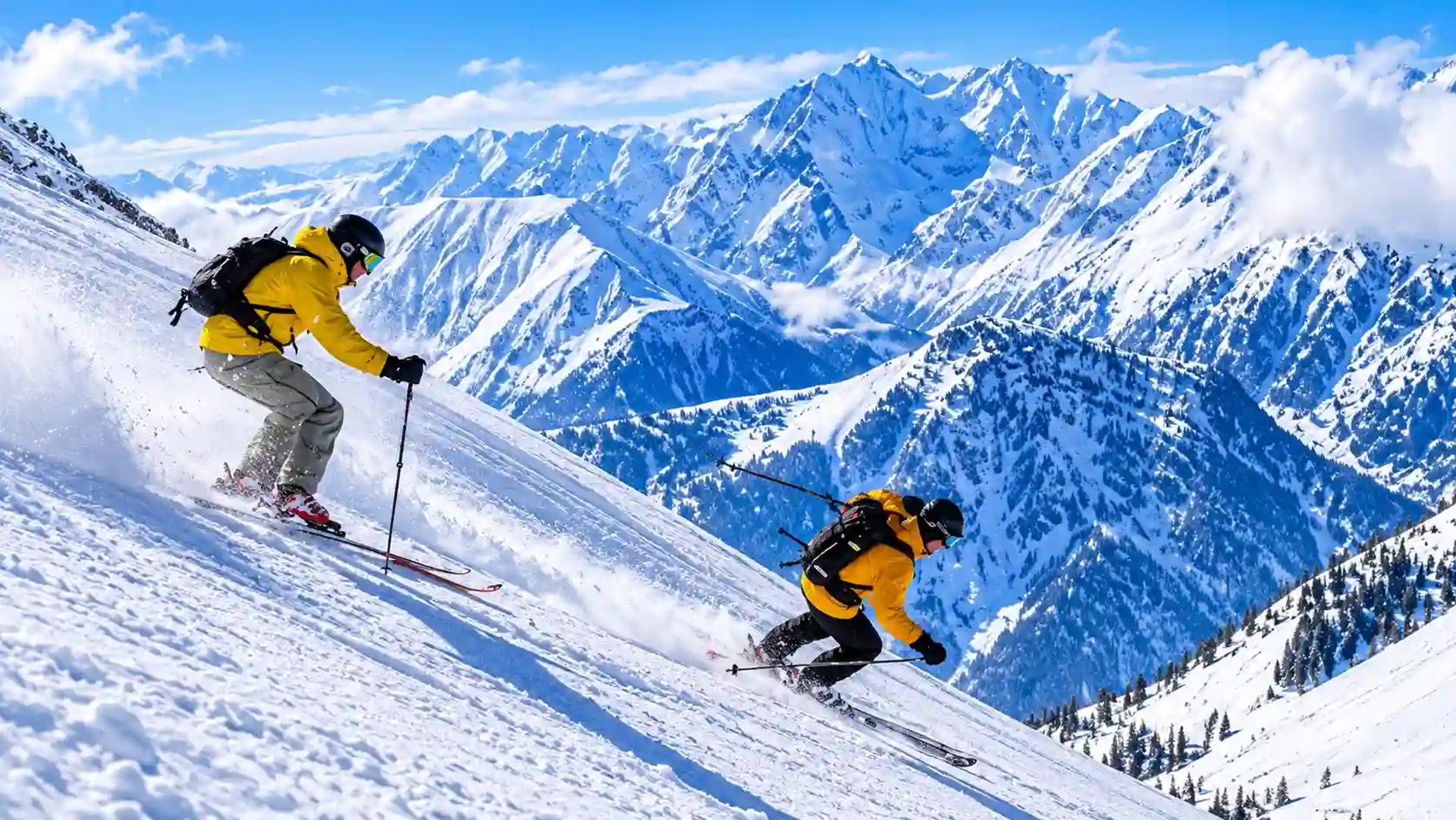
Most Gulmarg articles stop at the gondola ride. This guide starts where the ride ends: which slope suits your level, which months give you real snow, what to rent, and the point where the mountain stops being forgiving. If you have never clicked into a pair of skis, you will find a clear place to begin. If you already ski, you will see how the terrain above the base is actually laid out.
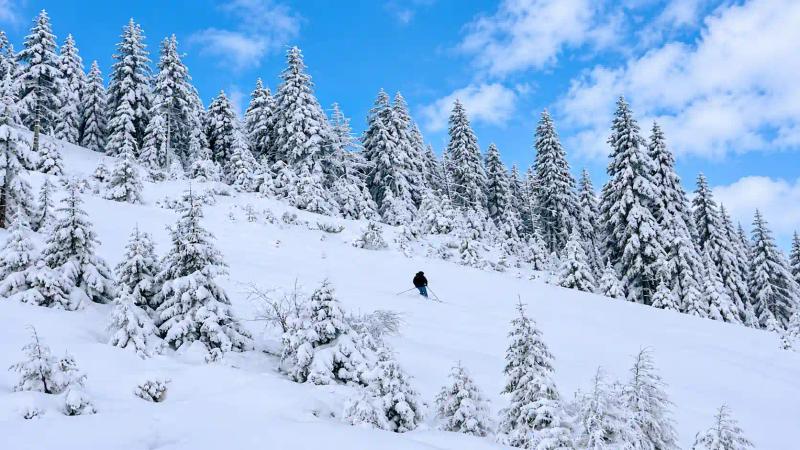
Gulmarg skiing is unusual for India. The resort village sits at roughly 2,650 metres in the Pir Panjal range, the lift system climbs to around 4,000 metres, and most of the terrain above the base is open, ungroomed mountain rather than a neat network of marked pistes. That is why experienced skiers travel here from Europe and North America, and it is also why first-timers need to be a little more deliberate about where they point their skis.
We keep this guide strictly about skiing. For lift tickets, timings and booking, read our Gulmarg Gondola booking guide. Here we cover what happens on the snow, not at the ticket counter.
Quick answer
Beginners ski near the base and at Kongdoori with an instructor. Intermediates move to the longer runs on the Kongdoori side. Only advanced skiers with a local guide and rescue gear should go above that. The core season is December to March, with the deepest snow usually in January and February.
How the mountain is laid out
Think of Gulmarg as three layers stacked on one mountain: the base, the middle station at Kongdoori, and the high bowls under Apharwat Peak. Each layer asks more of you than the one below, and the biggest jump in difficulty comes at the top.
The base area and bunny slopes
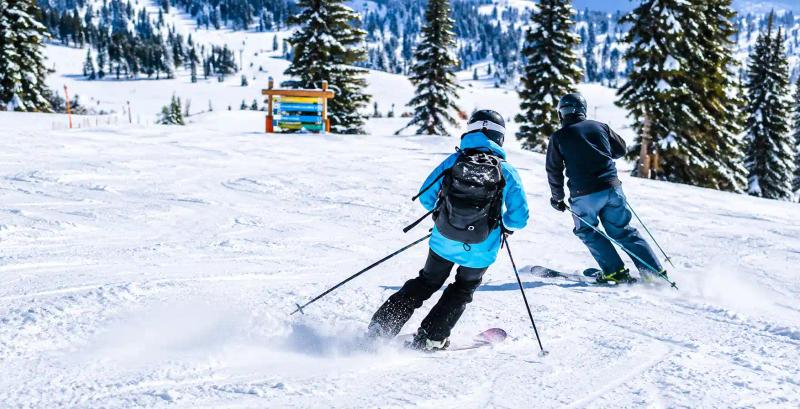
Around the village and the golf course, the slopes are short, wide and gentle. Locals often describe around six bunny slopes, and surface lifts near the base let beginners practise without committing to a long run. Most ski schools and rental shops are right here, so your first morning does not involve a long transfer in cold boots. If you are learning, this is where you spend your first day or two.
Kongdoori and Mary’s Shoulder
Kongdoori is the top of the first gondola stage, at roughly 3,000 metres. The slopes around it are gentle enough for a confident beginner with an instructor, and wide enough for an intermediate skier to link proper turns. From the Kongdoori side, runs toward Mary’s Shoulder give intermediates longer and steeper pitches. Lift operation changes with snow and season, so ask your instructor each morning what is actually running instead of planning around a fixed list.
Apharwat bowls and the backcountry
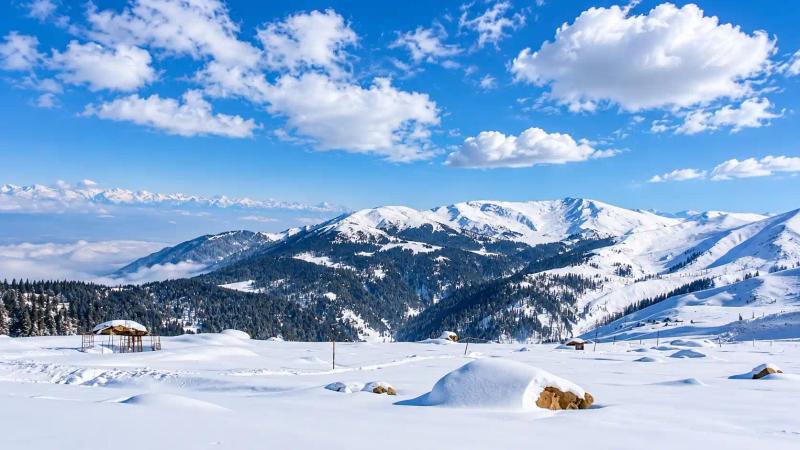
The second gondola stage lifts you to around 4,000 metres under Apharwat Peak. Above Kongdoori the terrain is large open bowls with well over a thousand metres of vertical back to the base. It is ungroomed, the snow can be deep or wind-hammered, and avalanche terrain is part of the landscape. Names you will hear from local guides, such as Shark Fin, Khilanmarg and Ningle Nallah, belong to this world. It is advanced and expert terrain, not a place to try out your third day on skis. If you want to understand what each gondola stage offers before you choose, our Phase 1 vs Phase 2 comparison explains it.
Here is the same picture at a glance.
| Zone | Level | What it feels like | How you reach it |
|---|---|---|---|
| Base and bunny slopes | Beginner | Short, wide, forgiving | Short walk or transfer from your stay |
| Kongdoori | Beginner to intermediate | Wider open slopes, deeper snow | Gondola, first stage |
| Mary’s Shoulder side | Intermediate | Longer runs, steeper pitches | Lift from the Kongdoori side (check status daily) |
| Apharwat bowls | Advanced to expert | Open, ungroomed, avalanche terrain | Gondola, second stage |
| Backcountry (Khilanmarg, Ningle Nallah and beyond) | Expert, with a guide | Unpatrolled and wild | Guided only |
Gulmarg skiing season: which months actually work
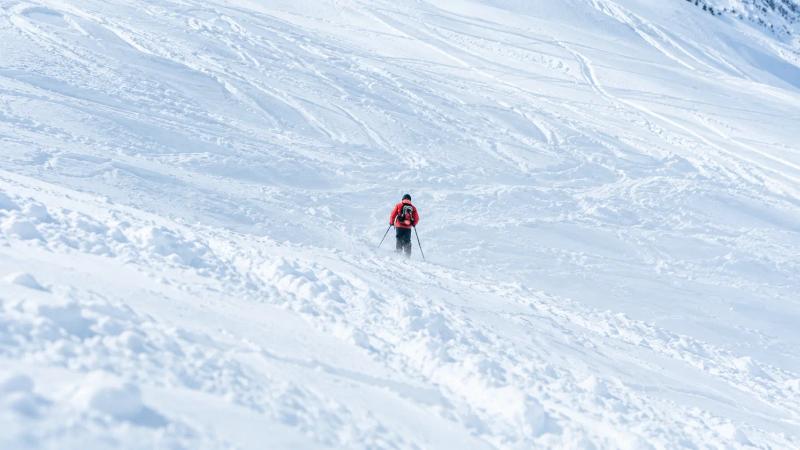
The usable window is roughly December to March. Snow is never guaranteed on a particular date, so treat each month as a probability, not a promise, and keep one spare day in your plan for weather.
December: early and patchy
Snow arrives and the first runs open, but the high terrain may not be ready, and conditions on the lower slopes can change week to week. It suits beginners who want fewer people around, and suits advanced skiers chasing deep powder less. The deep cold of Chillai Kalan begins around 21 December, so expect snow and low temperatures to build through the month.
January and February: peak snow
This is when snow depth is best and the full lift-served terrain is most likely to be open. It is also the coldest stretch of the year and the busiest, so book lessons and rentals early and expect queues at the lifts on weekends and holidays.
March and April: softer and quieter
March brings warmer afternoons, softer spring snow and thinner crowds, so check live lift status before building a day around it. Organised ski services commonly wind down around the end of March. In April, snow often survives only high up, so skiing becomes a top-of-the-mountain affair while the lower slopes turn patchy. It suits relaxed skiers more than powder hunters.
How to read snow conditions before you book
Check recent snowfall, temperature and wind before you lock your dates. Fresh snow followed by a cold, clear day gives the best surface, while a warm spell followed by a hard freeze can leave icy patches near the base. Wind can hold the upper lifts even on a sunny day. Ask your stay or ski school for a morning update, stay flexible about which day you do your biggest skiing, and read our Kashmir in January guide to see what a typical snowy week looks like.
Learning to ski in Gulmarg: a realistic first-timer plan
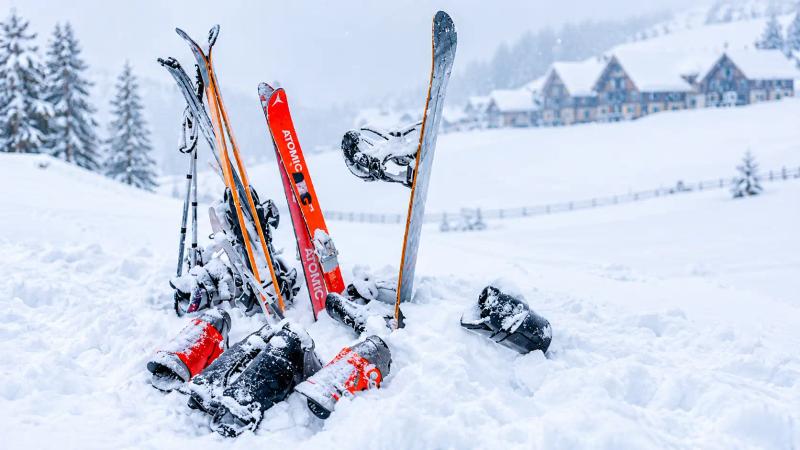
Most first-timers need a couple of days before they feel comfortable on a lift. A sensible Gulmarg skiing plan for a beginner looks like this. On day one, get a proper boot fit, then take a lesson on the bunny slopes and learn to stop before you learn to turn. On day two, link turns on the same slopes, then ride the first gondola stage with your instructor to practise on the gentle terrain near Kongdoori. A third day is for repetition, not heroics.
Choose certified instructors and ask about group size before you commit, because smaller groups mean more feedback. Snowboarders follow almost the same path, though the first day on a board is harder on wrists and tailbone, so wrist guards and padded shorts help. At around 2,650 metres the air is thinner than most people are used to, so drink water, eat properly and rest if you get a headache.
What to ask a ski school before you book
A good lesson starts with a few questions. Is the instructor certified? How many people are in the group? Is the lesson at the base or at Kongdoori, and does it include the gondola ride? Is boot and gear fitting part of the session? What happens if the lift is on hold that day? Clear answers mean the school has done this many times. Vague answers usually turn into lost time on the morning of your lesson. If your plan has no slack for a lost day, build in a plan B; our winter packages guide explains how.
Mistakes first-timers make
The most common mistake is going up too soon. The gondola makes the high mountain feel one ticket away, and it is tempting to ride to the top for the view on your first day. You can usually enjoy the view as a passenger and ride back down in the gondola, but do not try to ski down from terrain that belongs to advanced skiers. The other repeat mistakes are accepting boots that do not fit, skipping sunscreen and goggles, ignoring altitude and dehydration, and skiing alone.
What a good ski day looks like
Reach the lift area early, before queues build and while the snow is firm and the light is clear. Ski for two to three hours, break for hot tea and something filling, then ski a shorter second session. Beginners often fade after lunch, so end on a good run instead of a tired one. Back at your stay, stretch, drink water and dry your gloves and socks overnight, then let Kashmir’s winter food do the rest: harissa, noon chai and hot kahwa make the best après-ski you will find.
Skiing with kids, parents and mixed groups
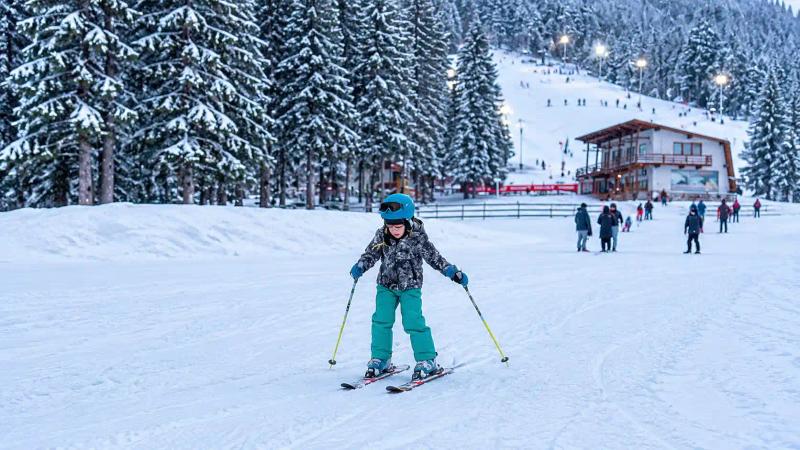
A ski trip rarely means everyone wants the same day. Children can start lessons once they are comfortable in stiff boots and can follow instructions, and most schools prefer small kids’ groups on the bunny slopes. Ask about the minimum age and whether a parent can stay close. Keep sessions short, because cold hands end a child’s enthusiasm fast.
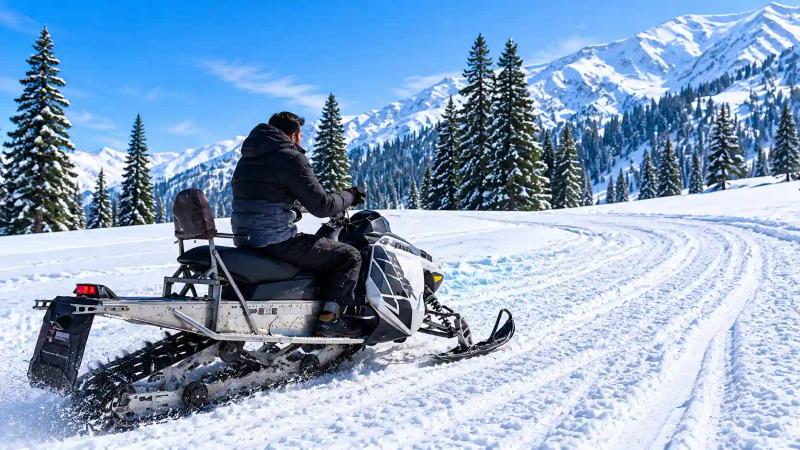
Not everyone needs to ski at all. Sledding and snow walks around the middle station keep non-skiers busy. Older travellers can enjoy the mountain with the first gondola stage, a slow walk near Kongdoori and a warm tea stop, provided the pace is gentle and the cold is managed. Thicker socks, a proper hat and a long break matter more than a perfect itinerary, and the health and pacing side deserves its own planning. For a trip that mixes ages, our Kashmir family tour guide shows how to balance a snow day with easier sightseeing days.
Ski gear: what to rent and what to bring
Gulmarg skiing gear is mostly rented, not owned. Rental shops near the base hire out skis or snowboards, boots, poles and helmets. Go early, because the best sizes go first, and check the bindings and boot fit before you leave the shop. A helmet is not optional. Boots that pinch will end your day sooner than any fall, so ask for a different pair instead of getting used to it.
If you are staying several days, rent for the whole stay so you keep the same well-fitted pair. Try boots on, stand in them and flex your knees forward before you accept them. Wear one thin pair of ski socks, not two thick pairs, because extra layers cut circulation and make your feet colder, not warmer.
Bring your own base layers, waterproof gloves with a spare pair, goggles or good sunglasses, sunscreen and lip balm. Our Kashmir packing guide covers general winter clothing, so we will not repeat it here. Cold drains phone batteries quickly, so keep yours inside a jacket pocket.
Avalanche gear is a different category. A beacon, probe and shovel are for backcountry days with a guide, not for a bunny-slope lesson. If you plan to go off-piste, ask your guide or rental shop what they supply and make sure you know how to use it.
Off-piste and backcountry: where Gulmarg gets serious
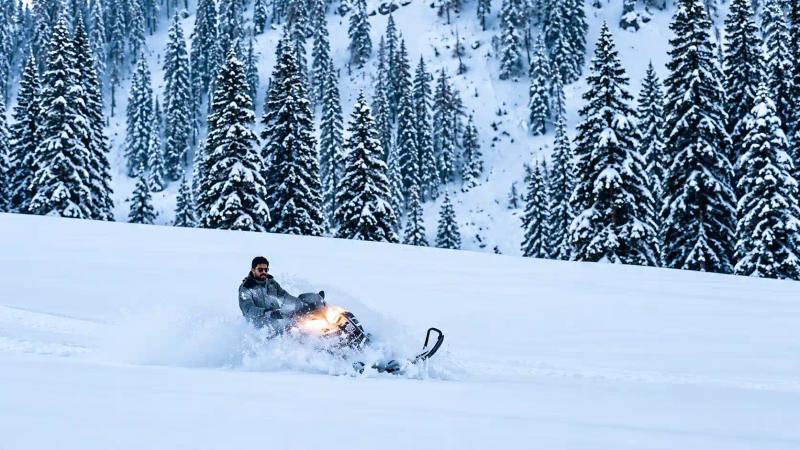
Gulmarg skiing splits into two very different worlds. Ski patrol manages avalanche risk inside the marked ski area. Beyond that boundary the mountain is unpatrolled and uncontrolled, and a large share of Gulmarg’s terrain sits in that category. Serious accidents, including fatal avalanches involving skiers who left the patrolled area, have happened here. Treat every advisory and boundary as real.
If you want to ski the bowls, hire a certified local guide who knows the day’s snow conditions, carry and practise with rescue gear, never ski alone, and carry insurance that explicitly covers off-piste skiing and evacuation. Ordinary travel insurance often does not. For general destination safety, see Is Kashmir safe to visit right now?
Learn the basics before you go: how to read the avalanche bulletin, how to use a beacon, probe and shovel, and how to move one at a time through exposed slopes. A short avalanche awareness course before the trip is the best preparation, and a good guide will brief you again every morning.
Planning your ski day and your trip
Weather runs the show. Gondola operations pause in high wind or low visibility, so start early, keep your plans flexible and keep one buffer day in your itinerary. Flat light in cloud makes the snow hard to read, which is when beginners tire fastest.
Evenings matter as much as mornings. A hot meal and an early night will do more for tomorrow’s skiing than any gadget, and a warm room with a working heater is worth choosing your stay for.
Getting to Srinagar in winter is easier by rail than many people expect, and our Vande Bharat winter guide explains heating, delays and layers. Allow extra time on the road from Srinagar to Gulmarg after fresh snowfall, and share your plans with your driver the evening before.
Plan your Gulmarg ski trip with Xogul
Xogul is a Srinagar-based Kashmir travel agency. For Gulmarg skiing trips we help with the parts that go wrong when you organise from a distance: a stay close enough to the base to make early starts easy, transfers with a driver used to snowy roads, lesson and rental coordination, and a plan B for days when the gondola is on hold. If you are still shaping the wider itinerary, start with our Kashmir trip planning guide. Message us on WhatsApp with your dates and skill level.
Contact Xogul
Planning a trip around the saffron harvest? Talk to the Xogul team and we will help you plan your stay, pickups and sightseeing in Srinagar and Pampore.
Frequently asked questions
Is Gulmarg good for beginner skiers?
Yes, with the right start. The base area has gentle bunny slopes, ski schools and rental shops close together, and the first gondola stage leads to beginner-friendly terrain near Kongdoori. Book a certified instructor for your first two days and stay on the lower slopes until you can turn and stop with control.
When is the best time for Gulmarg skiing?
January and February usually offer the deepest snow and the most open terrain, while December and March are quieter. The core window is December to March, but snowfall changes every year, so keep a buffer day in your plan.
How many days do I need to learn skiing in Gulmarg?
Plan on two to three days. Day one is boot fitting and basic control on the bunny slopes, day two is linking turns, and by day three many beginners are ready for the gentle terrain near Kongdoori with an instructor. Fitness, age and confidence all change the pace.
Do I need a guide for skiing in Gulmarg?
Beginners should take an instructor for lessons in the patrolled ski area. For the bowls and anything outside the marked boundary, a certified local guide is the safest choice, along with avalanche rescue gear and insurance that covers off-piste skiing.
Can I rent ski equipment in Gulmarg?
Yes. Rental shops near the base hire skis, snowboards, boots, poles and helmets. Arrive early for the best sizes, check bindings and boot fit, and rent avalanche gear only if you are going backcountry with a guide.
Is skiing in Gulmarg safe?
Inside the patrolled ski area, skiing is about as safe as at most mountain resorts if you follow lift rules and ski to your level. Outside it, avalanche risk is real because the terrain is unpatrolled. Respect advisories, ski with a guide and carry the right insurance.
Can snowboarders ride in Gulmarg?
Yes. Snowboarders use the same slopes and lifts as skiers, and the open bowls above Kongdoori are popular with experienced riders. Beginners follow the same plan: lessons on the bunny slopes first. Wrist guards and padded shorts make the learning days more comfortable.
Can you still ski in Gulmarg in March or April?
March is usually still skiable, with softer spring snow and warmer afternoons, although upper-mountain lifts can be on hold, so check status first. By April, snow often survives only at higher elevations and the lower slopes turn patchy. Organised ski services commonly wind down around the end of March, so confirm what is operating before you travel.
What should I wear for skiing in Gulmarg?
Dress in three layers: a thermal base layer, an insulating mid layer and a waterproof outer shell. Add waterproof gloves, a helmet, goggles, sunscreen and warm socks. Avoid cotton as a base layer because it stays cold when wet.
Can non-skiers enjoy Gulmarg in winter?
Yes. Non-skiers can ride the first gondola stage, walk in the snow, try sledding near the middle station and enjoy the views. It works well for mixed groups where only some people want to ski. For older travellers, our senior citizens guide covers pacing and health planning.


