

shahid
seo analyst
5 October 2026
14 min read
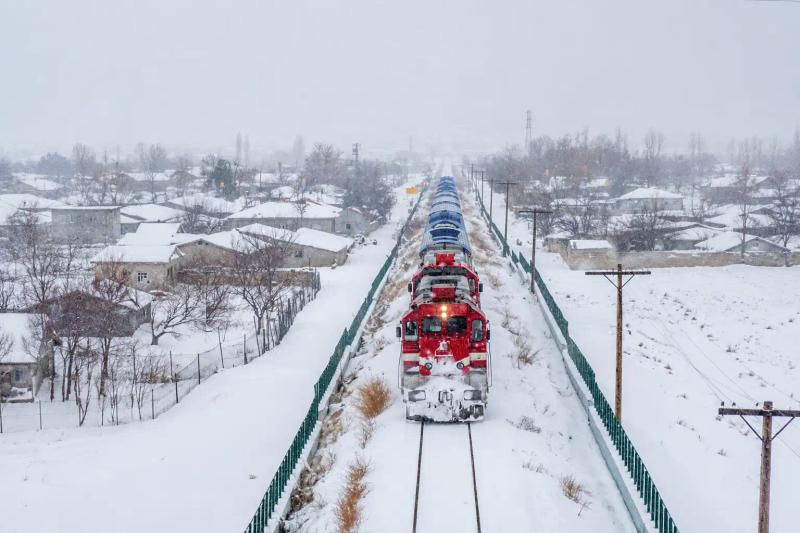
When heavy snowfall in Kashmir in January shuts the Jammu–Srinagar highway, the train is often the one link that keeps moving. That is why more winter visitors now choose the Vande Bharat Srinagar in winter instead of the road. But “all-weather” does not mean “never late”, and it does not mean you can dress for a spring day.
This guide covers only the winter side of the journey: how the train is built for cold, what snow and fog really do to it, what happens to your ticket when things go wrong, and what to wear on journey day. For booking steps, Tatkal rules and the route, use our complete train booking guide. Last updated: October 2026. Timetables and railway rules change, so confirm everything on IRCTC and NTES before you travel.
You book the train, we handle the winter pickup
Xogul does not book train tickets, so reserve your seat yourself on IRCTC. Once it is confirmed, send us the train number, and our team, a local Kashmir tour operator, will arrange a warm pickup, a heated stay and your sightseeing.
How the Vande Bharat Srinagar in winter handles the cold
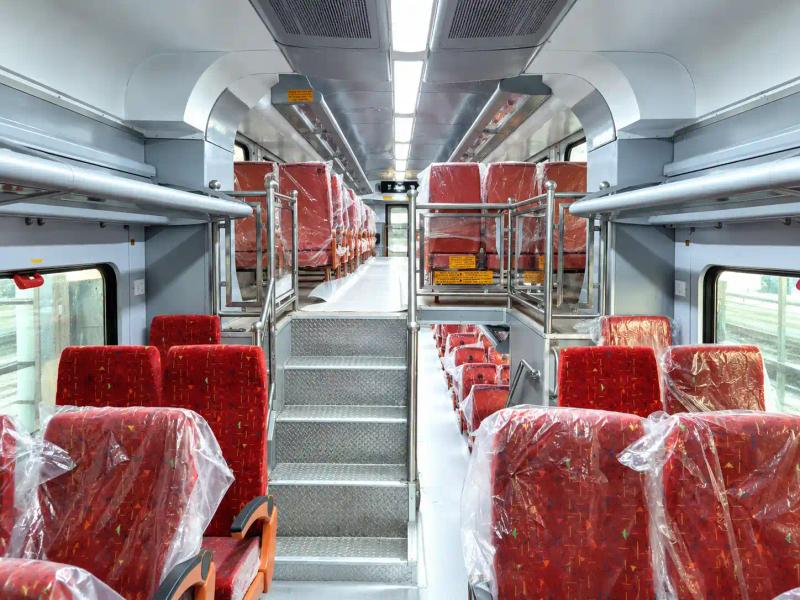
This is not an ordinary Vande Bharat. The sets running to Srinagar were modified for extreme cold, with heating made for sub-zero temperatures and warm air circulating inside the coaches. That matters in a valley where nights in December fall well below freezing.
The cold-weather kit goes beyond the cabin. Railways say the train has heating to stop water and bio-toilet tanks from freezing, a heated windscreen that clears frost for the driver, and an air-brake system tuned for low temperatures. A snow-clearing train is also meant to run ahead of passenger services on this line. The same line stayed useful when the highway closed during the monsoon floods.
Inside, you will be warm. The cold hits you at the platform, in the station forecourt and on the walk to your car. Locals handle this with a pheran and plenty of layers, and visitors should plan the same way. We cover journey-day clothing further below.
What snow actually does to the train
The best real-world test came in January 2026. When the season’s first heavy snowfall hit the valley, the national highway was blocked, flights from Srinagar airport were cancelled, and the Vande Bharat kept running between Katra and Srinagar. The same weather can also pause the Gulmarg Gondola, so a snow day is rarely a normal day for any kind of transport.
That does not mean the line is immune. On the same day, station staff at Banihal said only a few local trains could run towards Srinagar because stretches of track were covered in snow. The Vande Bharat kept to its schedule, but heavy snow can still slow it or hold it at a station. Railways will delay a train rather than risk it, so a snow delay is a safety measure, not a failure.
The other winter risk is not in Kashmir at all. Dense fog on the plains regularly delays long-distance trains heading for Jammu and Katra. If you are connecting from Delhi, one late train can make you miss your Vande Bharat, which is why Delhi travellers should never book the tightest possible connection between December and February.
Which Vande Bharat to take in winter
Planning the Vande Bharat Srinagar in winter starts with choosing the right train. Services run in the morning and the afternoon. The morning train leaves Jammu Tawi at 6:20 AM and reaches Srinagar around 11:10 AM. The afternoon train leaves at 1:20 PM and arrives around 6:00 PM. Sunset in Srinagar comes around 5 PM in December, so the afternoon service lands after dark, when shorter daylight hours and falling temperatures make the transfer harder. Running days differ by train, so check your date on NTES.
If you are coming from further away, treat winter as a season for buffers. Break the trip at Katra the night before, or reach Jammu a day early, so fog on the plains cannot cost you your seat. A flexible first day helps too, and our guide to building a flexible Kashmir itinerary shows how to leave slack without wasting days.
The same logic applies on the way back. Do not book a tight same-day flight out of Jammu or Delhi after a Srinagar departure. A spare night is cheap insurance against a missed flight, and it is easy to build into a budget Kashmir package.
If your train is delayed or cancelled: refunds and backup plans
Railway rules protect you when the train is at fault. If Indian Railways cancels a train on its whole run, e-ticket holders get an automatic full refund. If the train runs more than three hours late at your boarding station and you decide not to travel, you can claim a full refund by filing a TDR online before the train actually departs. Rules for cancelling a ticket yourself were tightened in 2026, so check the current slab on IRCTC.
A refund does not put you in Srinagar, so plan a backup too. On heavy snow days the highway may be shut and flights may be cancelled, as happened in January 2026. Do not assume you can switch to the road or the air. Keep your hotel booking flexible where possible, tell your driver about any delay, and carry spare time. Families travelling with children or elders should add a spare night, as our family tour package guide explains.
How to read train alerts before you leave
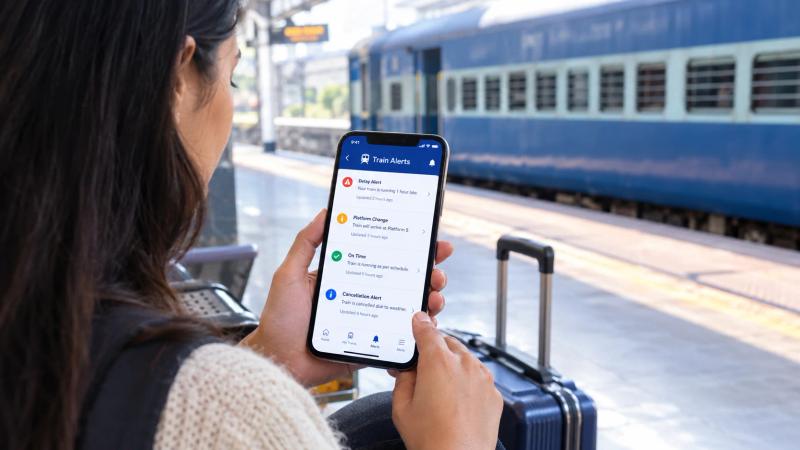
Alerts are your early warning for the Vande Bharat Srinagar in winter, so use them instead of guessing. Check the NTES app or website the evening before and again on the morning of travel, watch your IRCTC messages, and call the railway helpline on 139 if you cannot get through. The wording usually tells you what to do next:
Share your train number with your driver and hotel, because a good local operator will track the train as well, and our guide on choosing a tour operator in Kashmir lists what to ask. Check status once more when you reach the station, since conditions on the snow section can change while you are still on the road.
What to wear on journey day
This is a journey-day plan, not a packing list. The coach is heated, but platforms, forecourts and car parks are not. The easiest approach is three layers you can add or remove: a thermal base layer, a wool or fleece mid-layer, and a windproof outer jacket. For everything else you will need on the trip, use our full winter packing guide.
- Head and hands: a woollen cap and gloves you can remove quickly to handle tickets and your phone.
- Neck: a scarf or shawl doubles as a light blanket if the coach feels cool near the doors.
- Footwear: closed shoes or boots with a good grip. Station forecourts and car parks can be icy early in the morning.
- Water and snacks: keep them in your hand luggage, because all your luggage stays with you on this train.
- Your warmest layer: keep the jacket, cap and gloves within easy reach, not buried at the bottom of a bag.
If you arrive under-dressed, Srinagar’s markets stock warm clothing, so you can pick up woollens and shawls on day one. Still, it is far better to step off the train already warm than to shop while shivering.
Keeping phones, cameras and medicines working in the cold
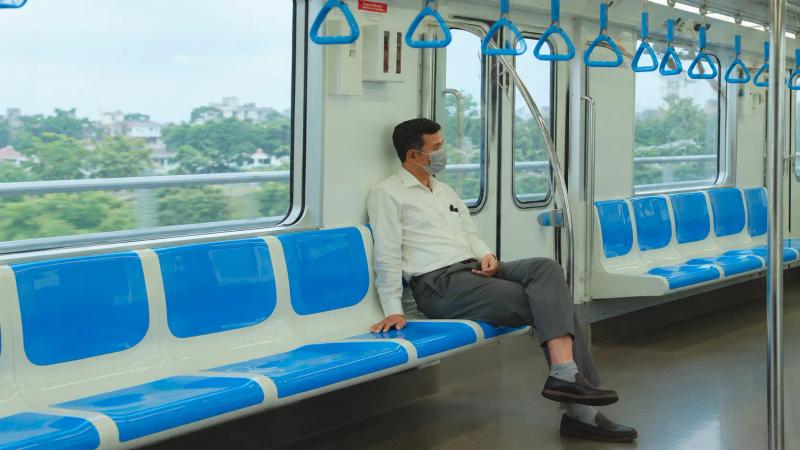
Cold affects small things first. Phone batteries drain faster in freezing air, so keep your phone in an inner pocket and carry a charged power bank close to your body rather than in an outer bag.
- Cameras: when you step from the cold platform into the warm coach, the lens can fog. Let the camera adjust inside its bag for a few minutes before shooting.
- Medicines: keep daily medicines in your hand luggage and close to you, not in a bag left near the doors, so they stay at a steady temperature.
- Tickets and ID: save your e-ticket offline and keep your photo ID where gloved hands can reach it quickly.
A little preparation at home saves fumbling on a freezing platform, where every bare-handed minute is uncomfortable.
Arrival day: from the station to your hotel in winter
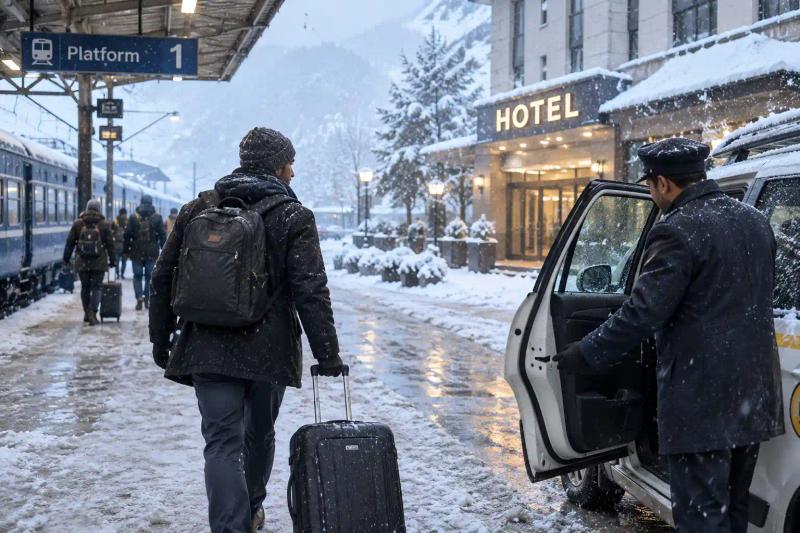
Mornings at the station can be close to freezing, so pre-book a cab with a working heater and keep your driver’s number handy. Fog and icy patches can slow the road into town, so allow extra time.
Keep the first evening simple: check in, warm up and have a hot meal before you plan anything else. That leaves you rested for the next day’s sightseeing, and it gives a late train room to be late without ruining your plans.
Wrap up before you leave the coach, since the shift from warm cabin to freezing platform is sharpest in those first minutes. Keep your bags with you, ask your driver to wait close to the exit, and carry a warm drink if you can. If your train is late, message your driver and hotel so nobody is left waiting in the cold.
Who should rely on the train in winter
The Vande Bharat Srinagar in winter suits most travellers, including couples, families and senior visitors who want a calm journey in heated coaches instead of a long, slippery road. It is especially useful for honeymoon trips, where a smooth arrival sets the tone, as long as you build in a buffer.
It suits you less if your plan has zero slack. If you have a fixed flight the next day or a tightly timed event, treat the train as one option and not the only one.
Conclusion
The Vande Bharat Srinagar in winter is a warm, scenic and often reliable way to reach the valley, as long as you plan for the weather instead of against it. Pick the morning train, keep a buffer day, know your refund rights and dress in layers. When you are ready to choose your dates, our best time to visit guide will help.
Winter travel, handled
Book the train on IRCTC. We handle the pickup, heated stay and sightseeing in Srinagar.
Frequently asked questions
1. Does the Vande Bharat Srinagar in winter run during snowfall?
Usually, yes. In January 2026 it kept running between Katra and Srinagar while the highway was blocked and flights were cancelled. It can still be slowed or held for safety, so check NTES before you leave home.
2. Is the train heated throughout?
The coaches are built for sub-zero temperatures, so the cabin stays warm. Only the platform, forecourt and car park are cold, which is why layers matter for the first and last few minutes of the journey.
3. Should I postpone my trip if heavy snow is forecast?
Not automatically. Watch the forecast and NTES alerts, and keep your hotel booking flexible. If you can shift by a day you avoid the stress, and if Railways cancels the train on its full run, your e-ticket is refunded in full.
4. Can I claim a refund if I miss it because another train ran late?
A late feeder train is not the same as the Vande Bharat itself being delayed or cancelled, so the refund rules above may not apply. Check IRCTC's current rules, and leave a buffer instead of relying on a refund.
5. Which train is better in winter, morning or afternoon?
The morning service. It reaches Srinagar around 11 AM in daylight, while the afternoon service arrives around 6 PM, after sunset in December, when the transfer is colder and slower.
6. Should I book a refundable hotel for the first night?
Where possible, yes. Choose flexible terms for the arrival night so a late train does not cost you the booking, and give the hotel your train number so the staff can expect a delayed check-in.
7. Is the train more reliable than flying in winter?
On heavy snow days flights have been cancelled while the Vande Bharat kept running, but neither is guaranteed. Pick the option that fits your schedule and keep a buffer for both.
8. Is it safe to take the train in heavy snow?
Railways slow or hold a train when conditions are unsafe, so a delay is usually the safety system working. Check official advisories and NTES before leaving, and see our guide on whether Kashmir is safe to visit for wider conditions. Plan for a late arrival rather than a perfect one.
9. Is this train suitable for children and senior travellers?
Yes, the heated coaches suit them well. The cold stretch is the platform and car park, so keep warm layers in hand and add a spare night so a delay never forces a rushed day.
10. Can Xogul help if my winter train runs late?
Rail tickets stay in your hands on IRCTC, but if your train is delayed, message us through the contact page and our team will adjust your pickup timing. You can also plan the rest of your stay on the trip builder.


