

shahid
seo analyst
13 October 2026
15 min read
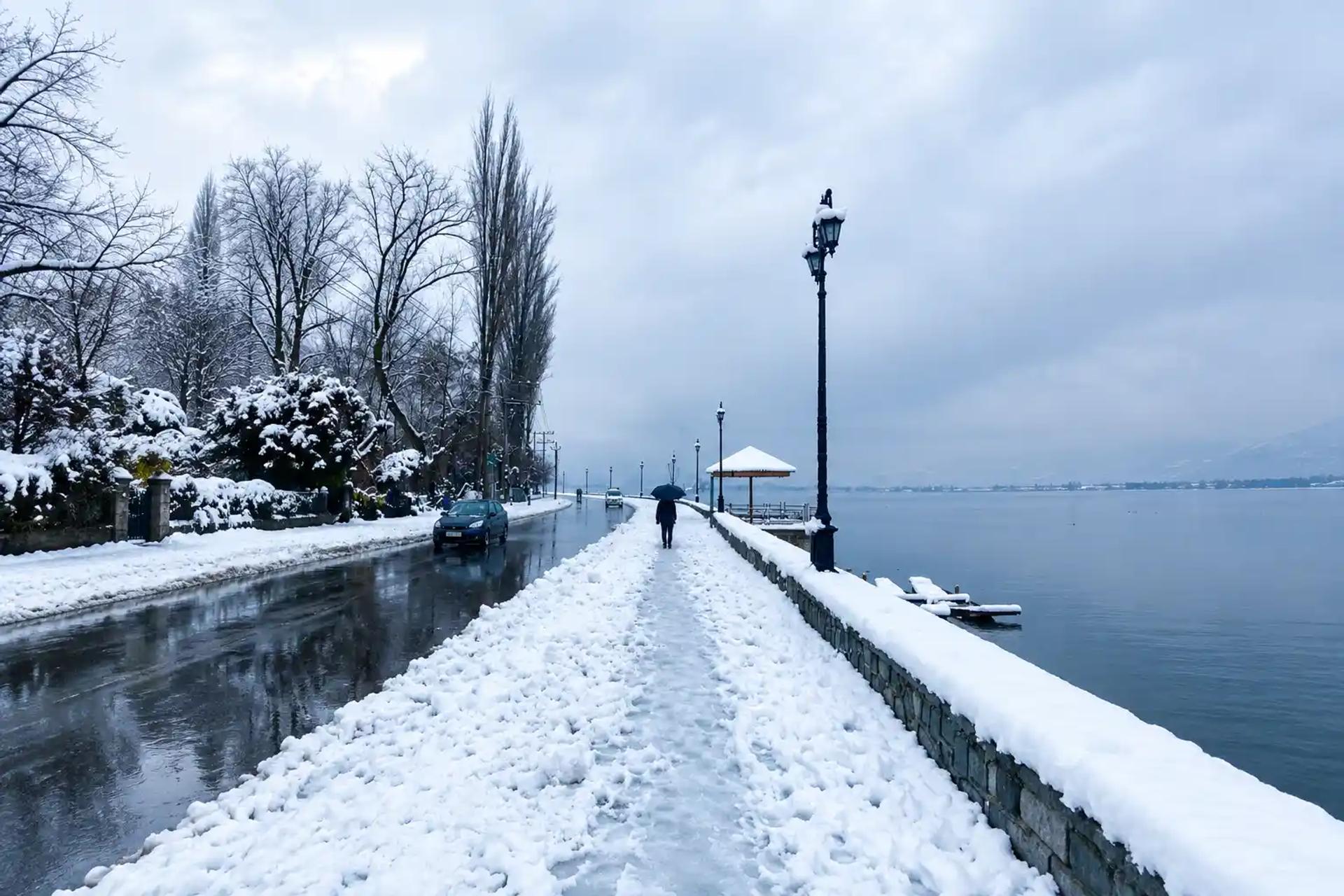
Most Kashmir winter packages are booked weeks or months ahead, yet they are used in a season that can change by the hour. A road that was open at breakfast can be shut by evening, and a Gondola that ran yesterday may be suspended today. So the real difference between a good winter package and a poor one is not the hotel list. It is what the package says will happen when December snowfall or fog disrupts the plan.
This guide covers only that: the weather terms to ask for, how a flexible plan is built, and how to compare two quotes fairly. It does not repeat standard inclusions or day-by-day plans, because our 4N/5D package breakdown already shows those. Read this one before you pay an advance. Last updated: October 2026.
Nobody can promise snow
Be wary of any package that guarantees snowfall, clear roads or a Gondola ride on a fixed day. What a good operator can promise is a plan for each outcome. The snow itself is a matter of luck, which is why January trips need more slack than summer ones.
How Kashmir winter packages should handle weather
In summer, bad weather is an exception. In winter it is the default, as our guide to the best time to visit Kashmir shows month by month, so a package should treat it as a normal part of the plan. A good one says clearly what happens in four situations: a closed road, a suspended activity, a delayed flight and a problem at the hotel. If a quote is silent on all four, the weather risk is quietly passed to you, and the plans that look best on paper may simply be the ones that say least.
The four weather situations every package should cover
A closed road is the most common disruption. Routes towards places like Sonamarg can shut after fresh snow, and remote valleys close for much of the winter. A good package names an alternative for that day, such as a Srinagar plan, instead of leaving you to improvise at breakfast.
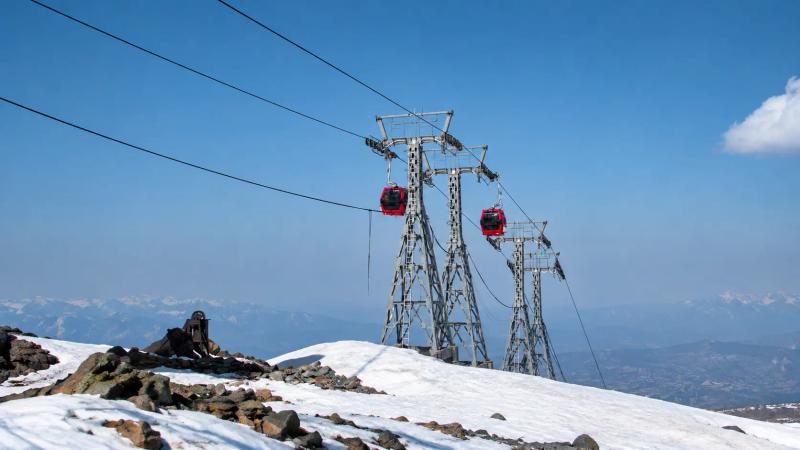
Activities can pause too. The same weather that fills Gulmarg with snow can halt the ride up, so ask what replaces the day. Our guide to Gulmarg Gondola booking explains how weather and operations affect the ride, and your package should say who rebooks and when.
Fog is the quiet culprit. It can delay early flights into Srinagar, and a late arrival shifts the pickup, the first dinner and sometimes the hotel check-in. If you are flying from a city such as Delhi, ask who adjusts the pickup and whether an arrival after dark changes the plan.
Finally, confirm heating in writing. Room heaters, bukharis or central heating can make or break a cold night, and our note on staying warm in Kashmir in November explains what to ask a hotel directly.
Flexible days: how a weather-ready plan is built
A weather-ready package separates fixed days from flexible days. It puts the most weather-sensitive outing early in the stay, so a bad day can be moved later, and it keeps one unassigned day as a buffer. If the buffer is not used, you gain a slow day, and if it is used, it protects the plan. Our trip planning guide shows how to sequence days with that slack in mind.
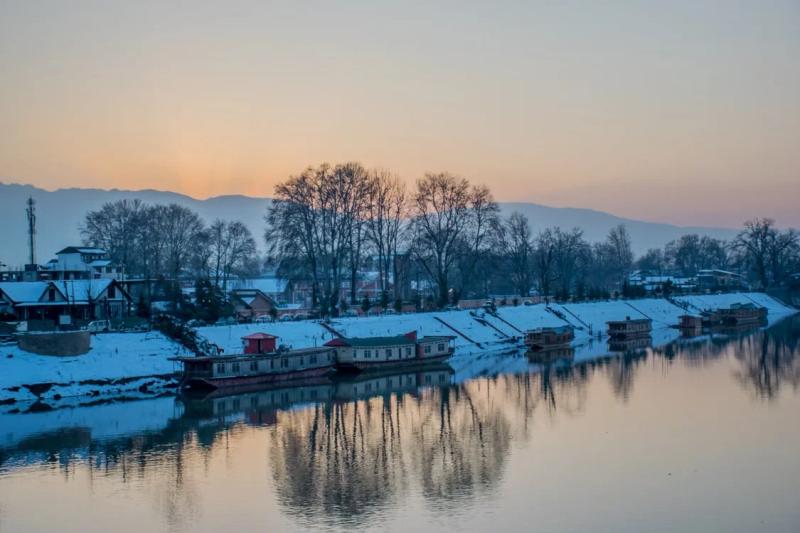
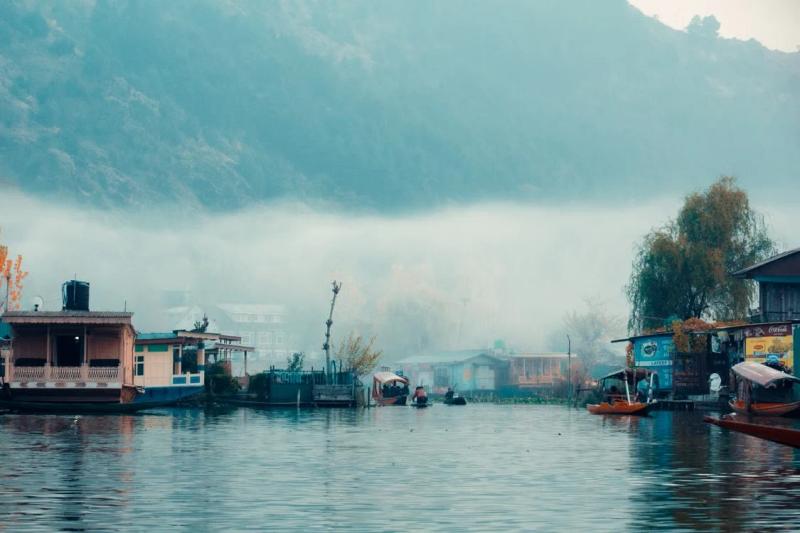
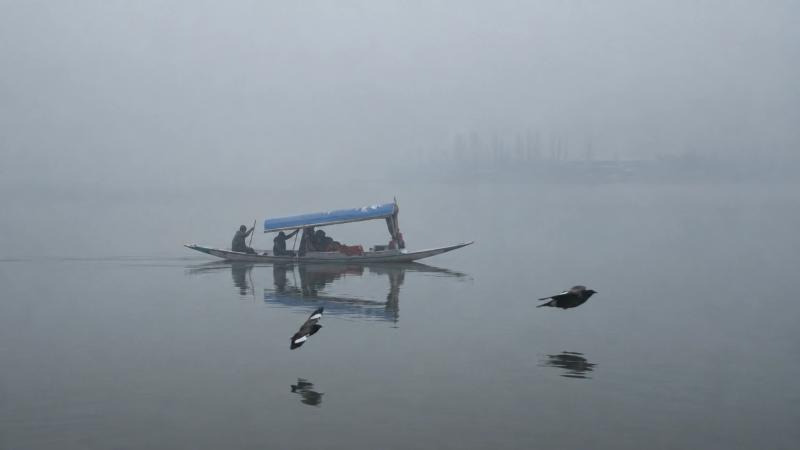
It also keeps a swap list of low-risk alternatives ready: a shikara ride in the mist, a slow walk through the terraces at Nishat Bagh, or an unhurried lunch of Kashmiri wazwan. Ask to see the swap list before you pay, because it shows how seriously the company plans for weather.
A third element is the vehicle. Some mountain stretches may need vehicles suited to snow, arranged locally, and your package should say who arranges them. Savvy travellers also check that the driver knows these roads, which is easier to confirm when you ask your operator directly. If you are buying shopping time into the plan, our shopping guide is a handy filler for an indoor day.
Flexibility also applies to the clock. Winter days are short, and the light fades early in the valley, so a good plan avoids stacking a long drive on top of a late activity. Ask how the day is paced: when you leave the hotel, when you must be back, and what gets dropped first if the morning starts late. A plan that survives a slow start without losing the whole day is the one built for winter, and it is far easier to enjoy than a tight schedule that breaks at the first delay.
Keep a record of every answer. Save the quote, the confirmation and any message in which the operator explains a weather rule, and check that the written version matches what you were told on a call. If a promise matters to you, such as heating in the room or a named backup for a closed-road day, it should appear in the document and not only in conversation. This small habit makes any later discussion simple, because both sides can point to the same page instead of relying on memory.
Money and weather: refunds, credits and extra nights
Ask about money before the first advance, not after the first snowfall. Operators pay hotels and vendors in advance, so some expenses cannot be recovered when a day is lost. A fair package explains this honestly and says what you get back: a swap, a credit, a partial refund or nothing. Our agency checklist covers the general payment questions.
Lost day: Is it swapped for another activity, credited or simply lost?
Stranded night: If a road or flight delays you, who pays for the extra night?
Advance policy: What happens to the advance if the trip is cancelled for weather?
Insurance: Does your cover include weather delays, and what are its limits?
Written proof: Are all of these answers in the quote or the confirmation?
Consider travel insurance too, especially for older travellers, who may need extra flexibility. Our guide to a Kashmir tour for senior citizens explains why a spare day and cover for changes are worth having.
Compare two winter quotes on weather terms
Put two Kashmir winter packages side by side and score them on weather, not just on hotels. Our guide on how to choose a tour operator in Kashmir covers the general checks, and the six weather terms below add the specific ones.
Score each quote on the same six points: whether a buffer or spare day is included, whether a closed-road plan is written down, what the activity swap or credit rule is, whether heating is confirmed in writing, who pays for an extra night, and what vehicle is arranged for snow stretches. Write what each quote actually says for every point, and treat silence as an answer too. A missing answer is not a small gap. It usually means the risk has quietly been left with you, so ask.
Send both companies the same brief, as our family trip brief guide suggests, so the answers are comparable. If one quote answers more of these points than the other, that tells you more than the headline plan. A company that answers these questions without fuss is usually the one that has dealt with snow before, whatever the size of its brochure.
If you have not yet decided whom to ask, start with a shortlist. Our roundup of the top 10 travel agents in Kashmir is a useful place to find companies worth sending your brief to. Pick two or three companies, send each the same weather questions, and note carefully just how quickly and clearly each one replies. The way a company answers before you pay is often the best preview of how it will behave when the snow actually falls.
Timing matters as well. Raise the weather questions at the quote stage, when the company is still working to win your booking and has the time to answer properly, and repeat them a few days before you travel, when forecasts are clearer. A short check-in before departure lets the operator confirm road status, hotel heating and the pickup plan, and it gives you a chance to adjust the order of days while changes are still easy to make. Good operators welcome this conversation, because it reduces surprises for everyone involved and keeps the whole trip calm.
Match the package style to your weather tolerance
A slow retreat suits couples looking for calm, and our honeymoon package guide shows how fewer moves keep a trip romantic. A Srinagar-plus plan suits groups with children, because each day stays manageable. The right Kashmir winter packages for you are the ones whose weather risk you are comfortable with.
Three weather scenarios and how a good operator responds
These are illustrative scenarios, not real cases. In the first, heavy snow falls overnight and the road to the hills is shut. A good operator calls you before breakfast, moves the snow day to the buffer day and fills today with a Srinagar plan, such as the sights in our places to visit in Kashmir guide. You lose nothing and see why the swap list matters.
In the second, fog delays your flight by half a day. A good operator moves the pickup, informs the hotel and trims the evening, so you arrive to a warm room instead of a missed check-in. Travellers who arrive by rail face similar issues, as our guide to the Vande Bharat Srinagar in winter explains.
In the third, the Gondola is suspended on your planned day. A good operator offers sledging at the base, a lower stage as in our Phase 1 vs Phase 2 guide, a different day or a credit, and tells you which at the time. Notice that all three responses were decided before you paid, which is exactly what the clauses above are for.
How we handle winter packages at Xogul

Xogul is a Srinagar-based operator, with an office in Rajbagh, that has planned custom Kashmir trips since 2019 (License No. JKEA00003909). We share each plan in writing, and we would rather you judge us on the weather questions in this guide than on a brochure. Our operator profile explains how we work, and we are happy to answer the same questions in writing before you pay.
Conclusion
The best Kashmir winter packages are not the ones with the most hotels or the longest list of inclusions. They are the ones that say, in writing, what happens when snow, fog or a closed road changes the plan. Ask the four weather questions, compare two quotes on weather terms and keep a spare day. Then pick the plan whose risk you can live with. Winter in Kashmir rewards travellers who plan for change, and a company that plans with you is worth far more than one that simply promises good weather. For the standard itinerary behind most plans, our 4N/5D breakdown is a good reference.
Ask us the weather questions
Send your dates and group, and ask our Srinagar team the weather questions in this guide. We will reply in writing.
Frequently asked questions
1. What is a winter package for Kashmir?
It is a tour plan designed for the cold season, usually from December to February, covering stays, transfers and sightseeing in Srinagar, Gulmarg and Pahalgam. Because winter weather changes quickly, the best Kashmir winter packages include clear rules for what happens when snow or fog disrupts the plan.
2. What happens if snow blocks the road during my package?
A good package names an alternative for that day, such as a Srinagar plan or the buffer day. Ask for this in writing before you pay, and ask who arranges the change.
3. What if the Gulmarg Gondola is closed on my day?
The day should be swapped, rebooked or credited, and the quote should say which. Phase 2 is more often suspended in bad weather, so a plan that depends on it needs a backup.
4. Should a winter package include a spare day?
It is wise, especially for hill-heavy plans. A spare day protects the plan when the weather moves things around, and it becomes a slow day if it is not needed.
5. Who pays for an extra night if I am stranded?
It depends on the terms, which is why you should ask before you pay. Some packages absorb it, some split it and some charge it separately. Look for the answer in the quote, not in a verbal promise.
6. Can a winter package guarantee snow?
No. Snowfall depends on the weather, and no honest operator can promise it. What a package can promise is a plan for both outcomes. Our January guide explains what to expect.
7. Do I get a refund or a credit when weather removes a day?
It varies. Operators prepay hotels and vendors, so some expenses cannot be recovered. A fair package states whether a lost day is swapped, credited, partly refunded or lost. Read the terms before you pay an advance.
8. Which winter package is safest for first-timers?
A Srinagar-plus plan, with a base in Srinagar and day trips, is easier to adjust than a plan with many hotel changes. Older travellers may prefer a slow retreat with fewer moves.
9. Do I need travel insurance for a winter package?
It is worth considering, especially with fog and snow delays. Check what the policy covers for weather and what it excludes.
10. Does Xogul offer winter packages?
Yes. We plan custom Kashmir winter packages in writing and answer weather questions before you pay. We do not book train tickets, which travellers book on IRCTC. Share your dates through our contact page or try the trip builder.


