

shahid
seo analyst
8 October 2026
12 min read
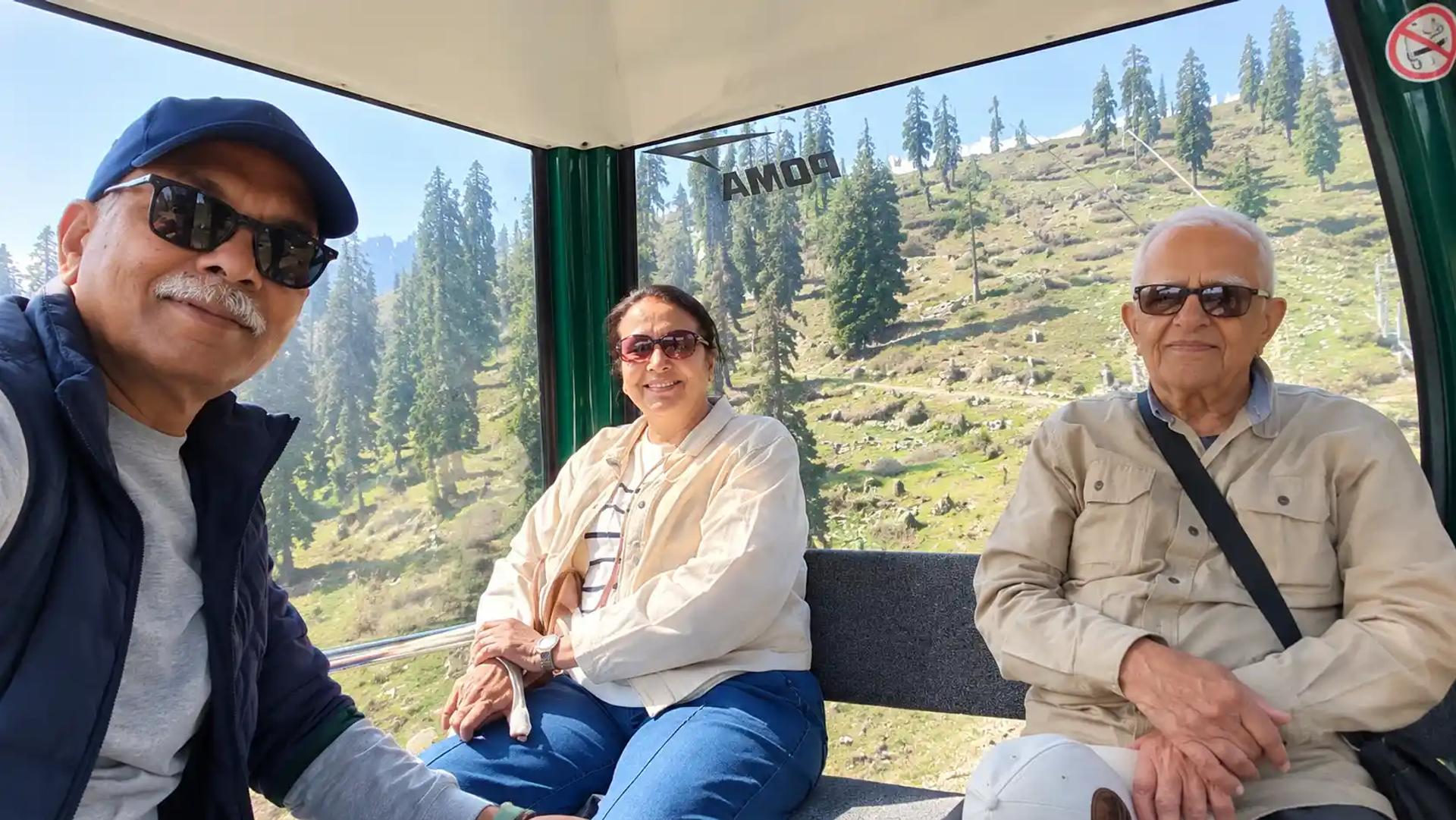
Kashmir is kinder to older travellers than most hill destinations, with flat lake promenades, terraced gardens and short drives between big sights. But a Kashmir tour for senior citizens only works when the trip is built around the traveller, not copied from a package meant for thirty-year-olds. Choose the month before anything else, because the best time to visit Kashmir decides how cold, icy and crowded your days will be.
This guide is for the person planning the trip for parents or grandparents, or for older travellers planning their own. It covers altitude, effort, pacing, hotels and a health checklist. If the whole family is travelling, our guide on how to brief a Kashmir travel agent for family trips covers the details to send in advance.
This is not medical advice
We plan trips, we are not doctors. If you or a parent has a heart, blood pressure, breathing or joint condition, ask your doctor before booking and share what they say with your agent. For the wider picture on conditions in the valley, see our guide on whether Kashmir is safe to visit.
Is a Kashmir tour for senior citizens a good idea?

Yes, for most healthy older travellers, as long as altitude and distance are managed. Srinagar sits at about 1,585 metres, which is comfortable for most people. The hill stations sit higher: Pahalgam at around 2,200 metres, Gulmarg at roughly 2,700, Doodhpathri at about 2,730 and Sonamarg at 2,800. The Gulmarg Gondola goes higher still, which is why our Gondola Phase 1 vs Phase 2 guide matters for older guests.
Most seniors do well on a plan that keeps nights in Srinagar and Pahalgam and treats Gulmarg and Sonamarg as day outings. That keeps sleeping altitude low, avoids packing and unpacking daily and still covers the famous places. A relaxed route like our 4N/5D package breakdown shows how little needs to change to suit an older group.
Best time for older travellers
April to June brings mild days and open roads, which is why it works best for most older travellers. September and October are crisp and clear, though evenings get cold quickly, and our autumn guide shows what that season feels like on the ground.
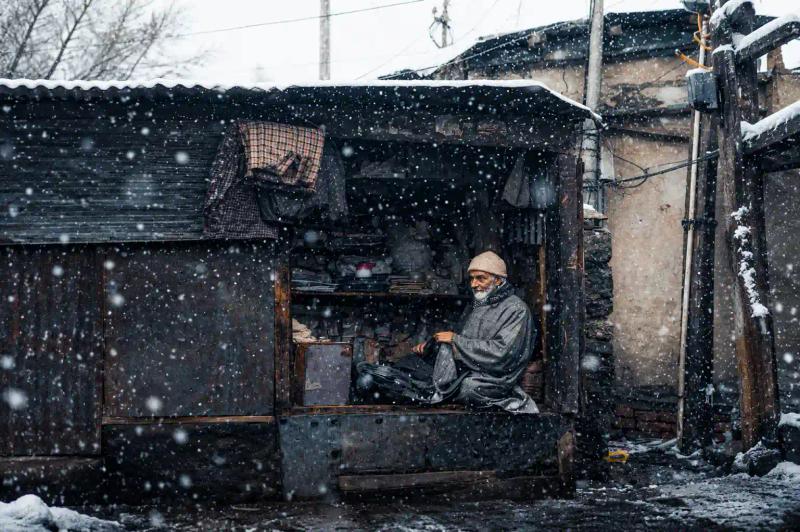
Winter is harder for seniors. Icy ground matters more than cold, so a slip is the real risk, and some roads need local vehicles after fresh snow. If you still want snow, read Kashmir in December first and keep every outing short.
How much effort each stop needs
The table below gives our own effort rating for each popular stop. It is a guide, not a promise, because fitness differs from person to person. Our list of things to do in Kashmir will help you decide what to keep.
Some stops have comfortable alternatives. At Sonamarg, our guide to Thajiwas Glacier explains how a pony covers the distance, so a senior need not walk the full trail. The same logic applies elsewhere: choose the shorter version of every outing, and enjoy the view instead of racing it.
Pacing rules that protect older travellers
- Two nights per base: Moving daily tires everyone. Two nights in each place keeps energy up.
- One main outing a day: Pair a big sight with a quiet evening, not a second sight.
- Mornings for activity: Go out when the day is warm and rest after lunch.
- Short drives where possible: Sonamarg and Pahalgam each take roughly 2.5 to 3 hours, so do not stack them on consecutive days.
- One buffer day: Roads can slow after rain or snow, and a spare day removes pressure.
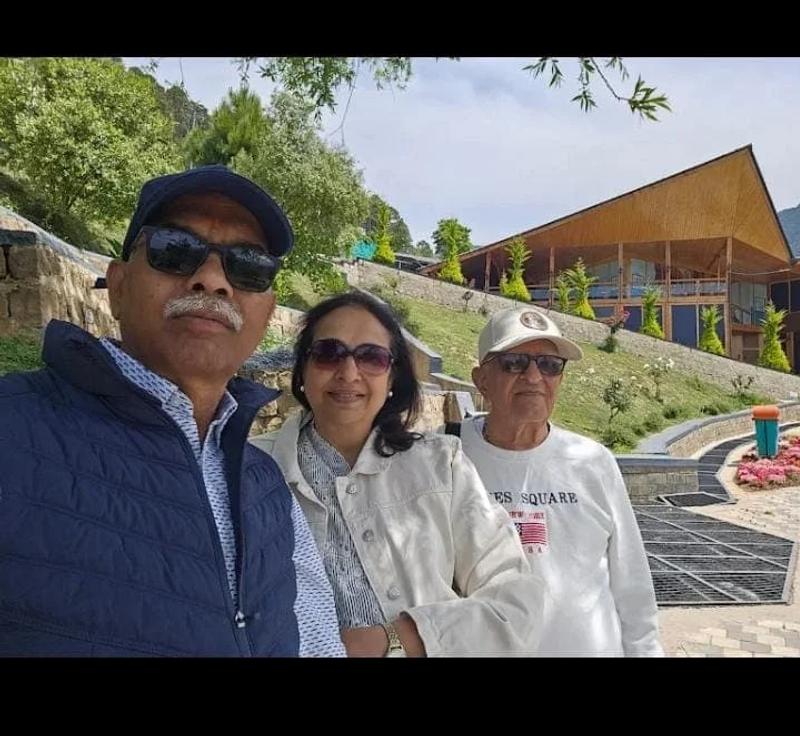
A gentle garden stop is a good test of pace. At Nishat Bagh, older visitors can take the terraces slowly with frequent rest breaks, which is a good model for every outing on the trip.
What a slow day looks like, hour by hour
It helps to picture the pace. A typical senior-friendly day starts with a late, unhurried breakfast, then a single outing in the warm hours between 10 AM and 1 PM. Lunch is early and light, followed by a proper rest at the hotel. The late afternoon is for something gentle, such as a shikara ride when the light softens and the water is calm.
Dinner is early, and the day ends before the evening chill sets in, which arrives sooner than most visitors expect, even in spring. Nothing on this schedule is rushed, and nothing is lost. Older travellers often say the quiet middle of the day, not the sightseeing, is what makes the trip enjoyable, because they arrive at each sight rested rather than worn out. If a day feels full, drop the afternoon activity first and keep the rest.
Hotels and houseboats: what seniors should check
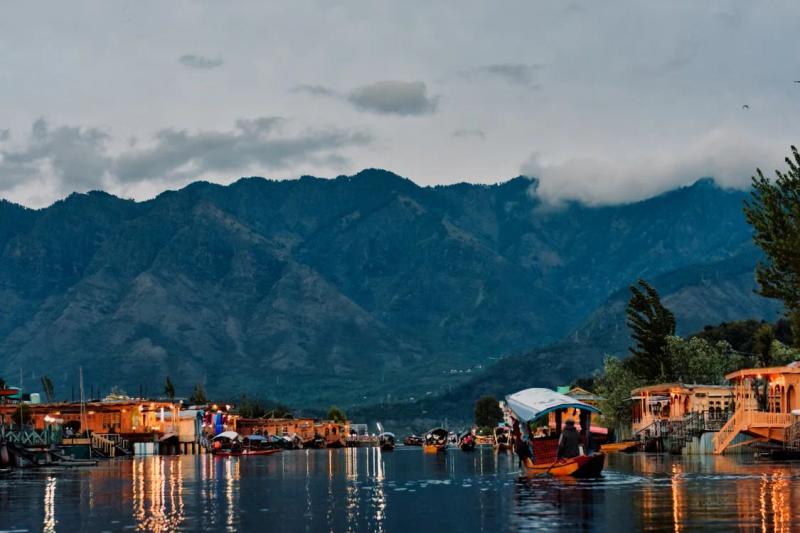
Look for a ground-floor room or a working lift, a non-slip bathroom floor, reliable in-room heating and a short walk from the car to the door. In colder months, ask each property directly how it heats the rooms. Our Kashmir in November guide explains why heating arrangements deserve a direct question.
A houseboat is a lovely experience, but boarding means stepping onto a boat, and the deck can move. Many seniors enjoy one night on a houseboat and the rest in a hotel on shore. Read our Dal Lake guide to see how stays are usually arranged.
Health and medicine checklist
Carry a printed list of all medicines, a doctor’s letter and enough tablets for the whole trip plus a few spare days, and keep them in your hand luggage. Hill stations have only small clinics, while Srinagar has large hospitals such as SKIMS and SMHS, so keep the Srinagar contact handy. For layers and a basic first-aid kit, use our packing guide.
- Ask your doctor whether altitude needs any special preparation.
- Drink water regularly, even when it does not feel hot.
- Carry a blood pressure monitor or any home device you normally use.
- Use sunscreen and sunglasses, because UV is stronger at height.
- Keep emergency numbers of a relative and of your agent on paper.
- Take travel insurance that covers medical expenses and trip changes.
Tell your agent about any restriction before you pay, not after. A good operator will plan around it, and our guide on how to choose a tour operator in Kashmir lists what to confirm in writing.
Before you go: a four-week preparation plan
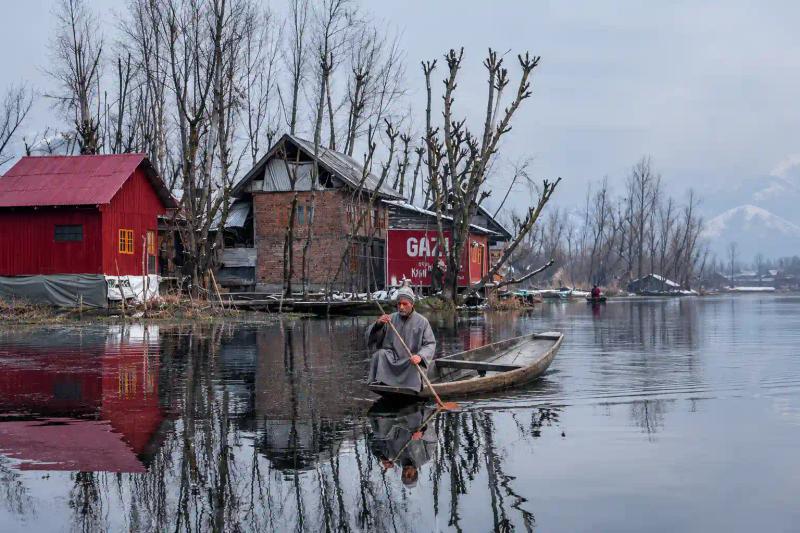
Preparation makes the trip easier on the body. About a month before you leave, start walking daily for 20 to 30 minutes, and practise a few flights of stairs if your doctor agrees. Break in your walking shoes, and pick the three places that matter most from our guide to the places to visit in Kashmir, so the plan has priorities instead of a long list.
- Four weeks out: Book a check-up, confirm medicines and start daily walks.
- Two weeks out: Share medical notes and mobility limits with your agent in writing.
- One week out: Pack medicines, ID and a printed plan in hand luggage.
- Two days out: Check the weather forecast and your train or flight timings.
If a relative or caregiver is travelling with you, share the load. One person keeps the documents and medicines, and the other watches the pace. Our family tour package guide shows how a multi-generation group can split roles so nobody is overwhelmed.
Getting there comfortably
Flying is quickest, but the train is gentler on many older travellers: comfortable seats, room to move and no airport queues. Our train booking guide explains how to book the Vande Bharat on IRCTC. If you are travelling in winter, remember that the morning train is usually the better choice.
Food and daily routine
Kashmiri food can be rich, so older travellers do well with lighter meals most days and a feast once. Our guide to Kashmiri wazwan explains what a traditional meal involves, so you can pick your moment. Start the day with warm kahwa, keep dinner early, and carry simple snacks for long drives.
Ask the hotel in advance for plain options such as rice, dal, roti or khichdi, and tell the kitchen about salt, sugar or oil restrictions. Eat at regular times, drink warm fluids between meals and avoid long gaps between lunch and dinner. Our winter food guide lists the warm dishes and teas worth trying when the weather turns cold.
Private tour or group tour: which suits older travellers?
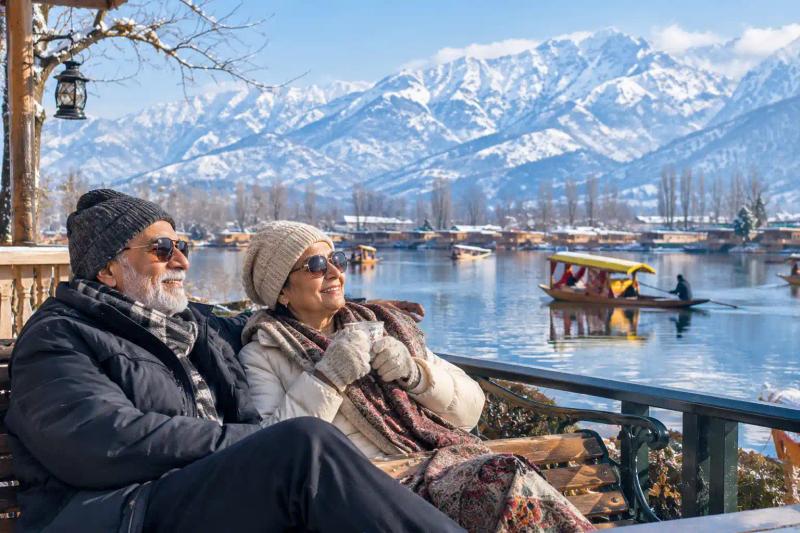
Group departures can be a budget-friendly way to travel, and the company can be pleasant. But they follow a fixed schedule, which leaves little room for a slow morning or a skipped stop. For a Kashmir tour for senior citizens, a private plan usually fits better, because the vehicle, the timing and the rest breaks all follow your group instead of a timetable. Our budget package guide explains where private trips can stay affordable without losing comfort.
What to ask an agency about a senior citizens’ trip
For a Kashmir tour for senior citizens, go beyond licences and payments and ask the senior-specific questions: will the same driver stay with the group, can the vehicle wait at viewpoints, is there a ground-floor option at every stay, and what is the plan on a rest day? Our agency checklist covers the general questions.
- A vehicle with easy entry and enough room for walkers or sticks.
- A driver who knows when to stop and does not rush.
- Flexible timing, so an outing can be shortened without fuss.
- A reachable contact who responds on the day, not the next morning.
How Xogul plans trips for older travellers
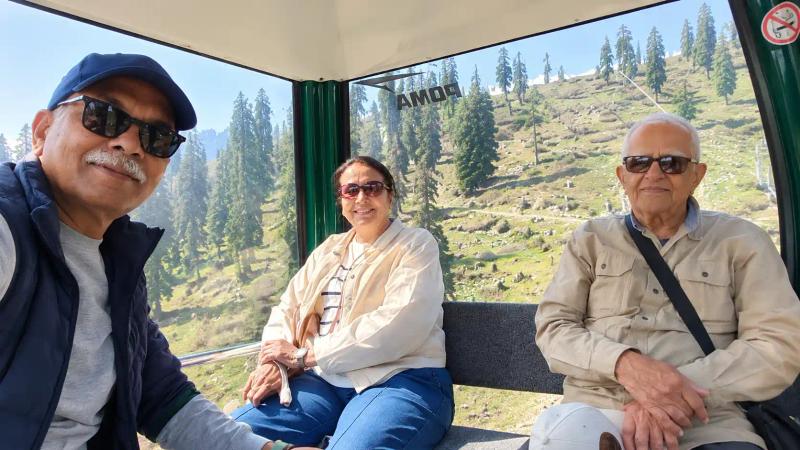
Xogul is a Srinagar-based operator, JKTDC-registered (License No. JKEA00003909), with an office in Rajbagh and a team that has planned custom Kashmir trips since 2019. For older guests we slow the plan down, keep nights in lower-altitude bases, keep the vehicle waiting at each stop and share the plan in writing before you pay. More about how we work is in our operator profile. A Kashmir tour for senior citizens should feel unhurried from the first day to the last.
If your parents are flying in from another city, tell us their arrival time and any medical notes and we will plan around them. Our Delhi package guide shows how a trip from the capital is usually structured. You can share your details through our contact page or trip builder, and we will reply with a plan.
Conclusion
A well-planned Kashmir tour for senior citizens is about pace, not distance. Pick the right month, keep nights low, choose the easier version of every outing and check with your doctor. Then give your agent a clear brief and ask for the plan in writing. When you are ready to shape dates and routes, our trip planning guide is the next step.
Plan a gentle Kashmir trip with Xogul
Share your parents’ needs and arrival time, and our Srinagar team will send a slow-paced, written plan.
Frequently asked questions
1. Is Kashmir safe for senior citizens?
For most healthy older travellers, yes, with sensible planning. The main risks are cold, icy ground, altitude and long drives, not safety in the usual sense. A Kashmir tour for senior citizens works best with an unhurried pace and a doctor’s advice before you book.
2. What is the best time for senior citizens to visit Kashmir?
April to June is usually the easiest, with mild days and open roads. September and October are clear but cold in the evenings. Winter needs extra care because icy ground is the biggest risk.
3. Can senior citizens ride the Gulmarg Gondola?
Many do, usually stopping at Phase 1, which is shorter and lower. Phase 2 goes to roughly 4,200 metres, so check with your doctor first. Our Gondola guide explains the difference.
4. How many days are ideal for a senior citizens’ tour?
Six to seven days at a slow pace works well, with two nights in each base and a buffer day. Fewer days mean more driving, which tires older travellers.
5. Is altitude a problem for older travellers?
Srinagar is comfortable for most people. Gulmarg, Sonamarg and the upper Gondola stage are higher, so keep those as day outings and ask your doctor whether you need any preparation.
6. Are houseboats suitable for senior citizens?
They can be, with care. Boarding means stepping onto a boat and the deck can move. Many seniors choose one houseboat night and a hotel on shore for the rest of the trip.
7. Should senior citizens take the train or fly to Srinagar?
Flying is faster, but the train suits many older travellers who prefer comfortable seats and no airport queues. Our train guide explains the options and how to book on IRCTC.
8. What documents and medicines should seniors carry?
Carry a photo ID, a printed medicine list, a doctor’s letter and enough medicines for the trip plus spares, in hand luggage. Keep emergency contacts on paper as well.
9. Do senior citizens need travel insurance for Kashmir?
It is strongly advisable. Look for cover that includes medical expenses and trip changes, and read the exclusions on pre-existing conditions before you buy.
10. Does Xogul plan trips for senior citizens?
Yes. We build slower, lower-altitude plans with the vehicle waiting at each stop and a written itinerary. We do not book train tickets, which travellers book on IRCTC, but we arrange the pickup. Share your needs through our contact page or the trip builder.


