

shahid
seo analyst
26 August 2026
8 read

There's a particular kind of panic that sets in around 11 p.m. the night before a Kashmir trip, when you're lying in bed refreshing your inbox because the "confirmed" hotel from three weeks ago still hasn't replied to your calls. It happens more often than people admit. Somewhere between the dreamy Instagram reels of Dal Lake at sunrise and the actual business of getting there, a lot of travellers realise — usually too late — that they never really vetted who they booked with.
This isn't a scare piece. Kashmir is one of the most rewarding places you can travel to in India — snow-capped peaks, saffron fields, houseboats older than most of us, and a warmth in the people that surprises almost everyone who visits, across some of the most photographed corners of the valley. But getting the experience right depends enormously on one decision made weeks before you board a flight: which Kashmir travel agency you trust with your time, your money, and your memories.
This guide walks through the exact filters worth using before booking the right local operator — the questions to ask, the red flags to watch for, and the details that separate a trusted Kashmir tour operator from one that just looks good on a landing page. For the broader picture, our complete framework for putting a trip together covers everything from budgeting to booking, and wherever it's genuinely useful below, we've linked out to deeper guides on specific parts of a Kashmir trip.
The trip that goes right — and the one that doesn't
Picture two versions of the same trip. In the first, a family of four lands in Srinagar. A driver is waiting at arrivals with their name on a card, already aware their toddler needs a car seat because someone actually read the booking notes. The itinerary shifts slightly on day two because of a landslide advisory near Thajiwas Glacier in Sonamarg — and instead of finding out the hard way, the family gets a message the night before with an alternate plan already sorted.
In the second version, the same family lands to find their "confirmed" driver was never properly briefed — the kind of gap that only shows up when nobody bothered to check what actually separates a properly vetted tour operator from a reseller. The itinerary is a generic PDF that could apply to any group, with no accounting for the toddler or the food preferences mentioned twice over email. When the advisory comes in, nobody tells them until they're already stuck at a checkpoint.
Both families used a Kashmir travel agency. Only one of them used one that was actually built for this — and the difference is almost entirely visible beforehand, if you know what to look for. If safety and reliability are on your mind before you even book, it's worth a closer look at current ground conditions — a good agency should be able to answer the same questions that guide covers, without hesitation.
Why this decision carries more weight than it seems
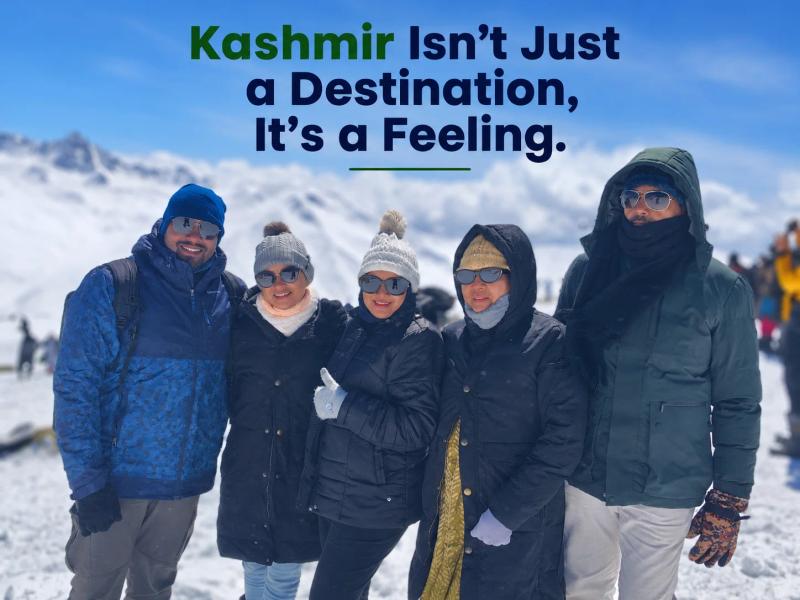
Kashmir isn't a destination where a wrong turn just means a longer walk back to the hotel. Weather genuinely dictates the day — conditions can shift faster than most travellers expect — certain roads can close overnight during winter, and access requirements can vary by destination and current regulations, so an experienced local agency can help you understand what needs to be arranged before you travel. A Srinagar travel agency that's actually rooted in the region — physically present, not just running ads from elsewhere — is generally better equipped to adapt when something changes.
This is also where travellers can unknowingly get shortchanged. Some large booking platforms work through local partners or subcontracted operators. That isn't necessarily a problem, but it changes how the actual day-to-day itinerary gets assembled behind the scenes, and it can make it less obvious who will actually manage your trip on the ground if plans change — which matters more in Kashmir than in most other destinations.
This is precisely why comparing Kashmir against other trip options only gets you so far. Plenty of travellers spend weeks deciding whether a summer trip is better spent in the hills of Himachal or choosing between Kashmir's mountains and Kerala's backwaters, and then spend almost no time deciding who they'll actually book the Kashmir leg through — even though that second decision affects the trip far more.
What a good Kashmir travel agency actually does
A good Kashmir travel agency should be monitoring road and weather conditions during your trip, working with reliable local drivers and accommodation providers, and keeping track of practical details that can affect your itinerary — rather than dispatching whoever's available that day or sending a template that never gets revisited. This kind of detail-level knowledge shows up even in smaller decisions — like knowing the difference between Gulmarg's two gondola phases and actually getting those tickets booked without the queue chaos, rather than just grabbing whichever ticket is easiest that morning. None of this is glamorous work. It's logistics, relationships, and local knowledge built up over years, which is exactly why it's hard to fake and worth checking for before you commit.
At Xogul, we plan Kashmir trips from our local base in the region, with itineraries built around current road conditions, weather, hotel availability, and each traveller's priorities. That local involvement is what allows us to adjust plans when conditions change, rather than relying entirely on a fixed package. You can read more about how we approach this on our dedicated look at what we do differently, or see what past travellers say about booking with a trusted Kashmir tour operator.
The checklist, in more detail

The eight points at the top of this guide cover the shortlist for choosing a Kashmir travel agency. Here's what each one actually looks like in practice, along with a few planning details worth thinking through at the same time — because vetting the agency and shaping the trip itself tend to happen together.
Local presence
Does the agency have a real, physical office in Kashmir — Srinagar, most commonly — or is it a WhatsApp number attached to a nicely designed website? A quick Google Maps search for the office address, and checking whether it shows up with photos and reviews, tells you a lot about a place where the hospitality itself is often the reason people fall for the region.
Transparent, detailed itineraries
A trustworthy agency will send you a full day-wise breakdown — hotels by name, meals included, transport type, sightseeing order — before asking for a deposit, not after. If you'd rather see this laid out as a full planning framework rather than a checklist, that guide covers the broader picture.
Reviews that read like real experiences
Skim their Google reviews, not just testimonials curated on their own site. Real reviews mention specific guides by name, specific hiccups and how they were handled, specific hotels — the kind of detail you'll also find in genuine traveller accounts from past trips.
How they communicate before you've paid anything
If an agency takes three days to answer a simple pre-booking question, that's roughly the response time to expect mid-trip, when it matters more — worth testing directly through our own contact page before you commit to anyone.
Willingness to customize
Ask for one small change to a sample itinerary — swap a day, add a stop, adjust the pace. An agency that can flex without treating it as an inconvenience is usually built around actual trip planning, not fixed package resale, the same way a genuinely budget-conscious itinerary still gets built around what you actually want to see.
Group size and pacing
A trip for two moves very differently from a trip for twelve. Larger groups usually need more lead time for hotel blocks and vehicle availability — something a properly planned family trip accounts for from day one — while smaller groups have more room to change plans on the fly.
Budget clarity
Ask what's actually included in a quoted price — permits, driver allowances, toll charges, and entry fees are common places where costs get added later. A transparent agency will break this down without being asked twice; you can also run your own numbers first with our trip cost calculator to see what a fair quote should roughly look like.
Ground and permit knowledge
If your plans include a restricted or sensitive zone, ask directly how they handle access and permits. A confident, specific answer beats a vague "don't worry, we'll manage" — the same clearance question that comes up constantly for anyone attempting the high-altitude trekking routes in the region.
Red flags that are easy to miss
Red flags that are easy to miss
A few patterns come up again and again in stories from travellers who ended up with the wrong tour operator in Kashmir:
No verifiable office address
If a search for the agency's address turns up nothing, or the "office" is a residential building with no signage, that's worth noting — a legitimate operator will usually have this listed clearly on their about page too.
Reviews that feel manufactured
Watch for identical phrasing across multiple reviews, or a sudden spike of five-star ratings in a single week.
Pressure to pay immediately
"This rate is only valid for the next hour" is a classic urgency tactic. Genuine seasonal pricing changes exist, but rarely this dramatic or this rushed.
No named point of contact
If you can't get a name and a direct number for who's reachable during your trip, that's a gap worth asking about before you hand over any deposit.
Itineraries that could apply to anyone
A plan with no reference to anything specific you mentioned usually means it wasn't actually written for you — very different from, say, an itinerary actually built around a five-day window flying in from Bangalore.
Local agencies vs. large online platforms
Local Kashmir travel agency vs. large online platforms
This isn't a case of one being universally better — there are trade-offs on both sides. Large aggregator platforms often have slicker apps, wider marketing reach, and sometimes better-looking upfront pricing. A dedicated, local Kashmir travel agency — one that operates out of Srinagar and works in the region every day — tends to catch details the aggregators miss: a more reliable houseboat option than the one listed on a third-party site, a shortcut around a known bottleneck near Nishat Bagh, or smaller practical tips that only surface once you're actually moving around the valley. It's the difference between a company selling Kashmir as one line item among fifty destinations, and one for whom Kashmir is the entire business. If you want to see this comparison spelled out directly, our detailed breakdown of what separates the two kinds of operators covers it in more detail.
Where you're travelling from also changes what to ask for. Someone flying in from Bangalore for a five-day trip has very different constraints than someone routing through Mumbai, or a family driving up as part of a longer North India circuit. If you're starting your search from a specific city, it's worth checking whether the agency has handled that route before — our own tour packages built specifically around Delhi departures are a good example of how that planning changes depending on your starting point, flight timings, and how many days you can realistically spend. If you're short on time, a compact four-night structure is a common starting point that a good agency will then adjust around your actual priorities rather than handing you as-is. You can also browse our full range of Kashmir tour packages to see how these structures typically compare.
The seasons change everything — and so should your agency's advice
One thing that separates an experienced Kashmir-based operator from one following a script is how differently they talk about spring, summer, autumn, and winter. Ask two agencies about visiting in March, and one might say flatly it's "a great time to visit" regardless of what you want, while the other asks what you're actually looking for — because March in Kashmir means blossoming almond orchards in Srinagar but still-closed high passes near Gulmarg, and those two facts change the entire itinerary. For a fuller breakdown month by month, it's worth reading before locking in any dates.
Summer makes Pahalgam and Sonamarg most accessible, but also most crowded, with hotel rates to match. Autumn turns the chinar trees a deep red and tends to be quieter — our guide to what actually makes that season special covers what that itinerary typically looks like, and if you're weighing the shoulder-season timing specifically, both early autumn in September and the transition through November have their own quirks worth knowing. Winter brings snowfall in Gulmarg and requires an agency genuinely comfortable planning around road conditions, not just hoping they cooperate — snow-season planning for December covers what to expect on the ground, while January's deeper snow and skiing conditions call for a slightly different itinerary altogether. Monsoon is the one season most travel content skips over, and it's exactly where a knowledgeable agency shows its value — knowing which routes stay pleasant and which get affected. If you're considering that window, it's worth reading whether that season is actually worth visiting before you rule it out.
Beyond sightseeing: food, culture, and purpose-driven trips
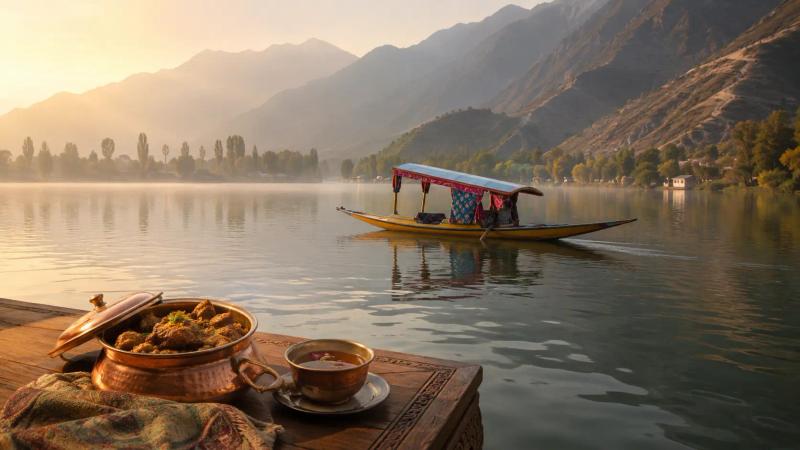
Part of what separates a forgettable Kashmir trip from a memorable one has nothing to do with logistics — it's the cultural details a good agency builds into your days without being asked. A quiet shikara ride in Srinagar timed for early morning rather than the busiest hour of the day, or a Dal Lake day actually built around it properly rather than rushed. If food is a big part of why you travel, it's worth reading up on the region's iconic multi-course feast before you go, so you know what to ask your agency to include.
The same applies when a trip has a specific purpose beyond general sightseeing. Pilgrims planning the Amarnath Yatra need a different level of logistical and safety preparation than a standard leisure trip, and this is exactly where the gap between an experienced agency and a generic reseller becomes obvious quickly.
Questions worth asking before you say yes
A few questions tend to cut through the sales pitch faster than anything else. You don't need a script — just ask them the way you'd ask a friend who's already been.
Start with the basics: once you land in Srinagar, who's actually reachable? You want a name and a number, not "our team will assist you." Then push a little further — what happens if it snows, or a road shuts down on day three, and have they actually thought through what you should be carrying for the season you're travelling in? A team that's actually done this before will have a real answer ready, not just reassurance.
Don't skip the money conversation either. Ask what's weather-dependent in your itinerary and what the backup looks like — a good agency will have already thought about this, not scrambled to answer on the spot. And get clear on how payments and refunds actually work, in writing, before you need to rely on it.
None of these questions are meant to put anyone on the spot. They're the same ones a careful trip planner would ask themselves anyway. What matters isn't whether an agency has a perfect answer for everything — it's whether they're straight with you. A "let me check and get back to you" is honest. A vague, deflective non-answer is the one worth paying attention to.
A simple test before you commit
Send a slightly unusual question before booking: ask about the weather pattern for your specific travel dates, or how they'd adjust the itinerary if it snows early. A team that actually knows the region will answer specifically — actual months, actual road behaviour, actual alternate plans. A team that's just reselling a package will often give a generic, reassuring non-answer. That one exchange usually tells you more than an hour of reading their website.
If you're planning this as a couple
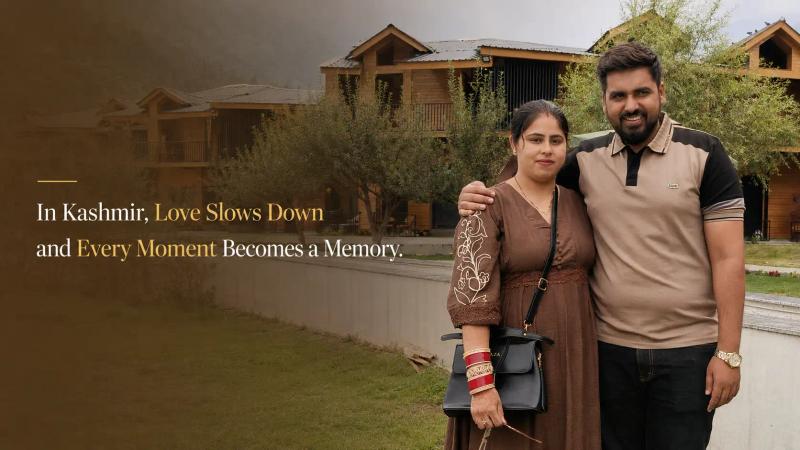
Honeymoon and couple trips to Kashmir tend to have a different rhythm than family or group trips — fewer stops, more time at each one, and more attention to small details like room views and quiet dinner spots, and often a very specific view on which months actually suit a romantic trip best. An agency that handles a lot of couple trips will usually have this dialed in already, rather than treating it as a slightly modified family package. Our dedicated guide to what a well-designed version of that trip actually looks like walks through budget to luxury options.
Bringing it all together
Choosing the right travel partner for Kashmir isn't about finding the flashiest website or the lowest number. It's about finding the team that answers an odd question specifically instead of vaguely, that names a driver instead of saying "someone will be there," and that treats your itinerary as yours — not a copy-paste job. Do that homework upfront, and the rest of the trip tends to take care of itself.
The best trips to Kashmir are rarely the ones that go exactly according to plan — they're the ones where something unexpected happens, and the people around you handle it well. A sudden change in weather that turns into an unplanned but unforgettable evening by a bonfire near Betaab Valley. A road diversion that ends up showing you a village you'd never have otherwise seen. These moments only feel like adventure, rather than stress, when the team behind your trip is calm, capable, and clearly on top of things. So before you finalize anything, take the extra hour. Read the reviews properly. Ask the awkward question. Look up the office address. When you're ready, you can start building your trip or get in touch directly with our Srinagar-based team.