

shahid
seo analyst
16 October 2026
16 min read
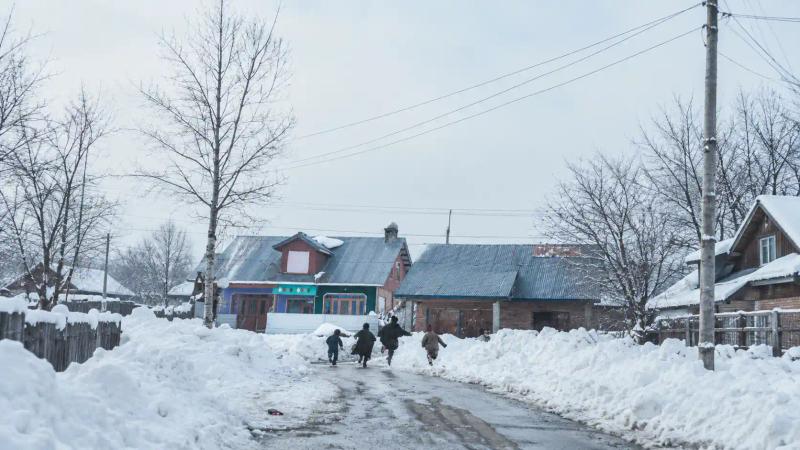
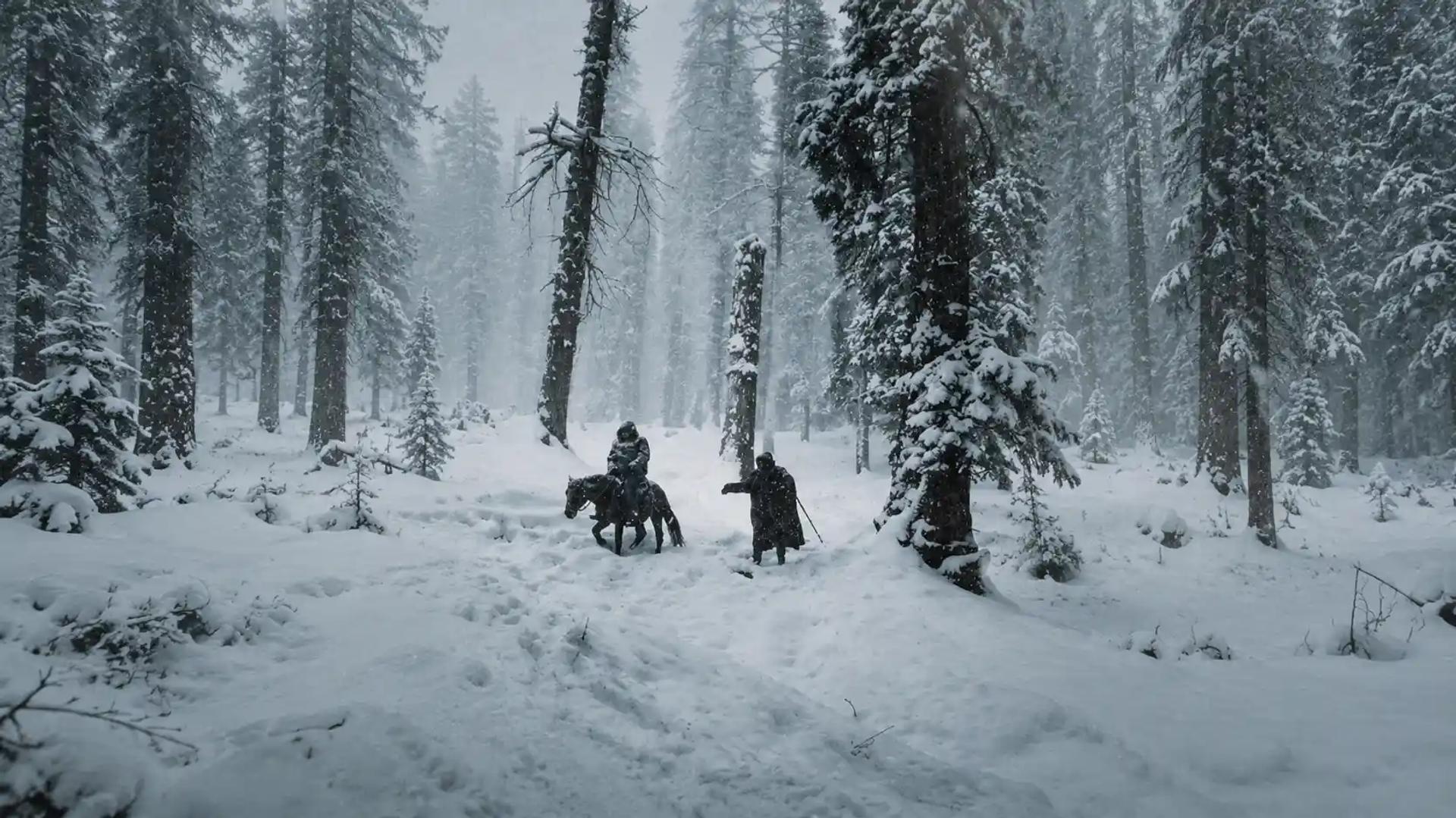
Long before the first flake settles on the Valley, Kashmiris know when the hardest cold begins. It arrives on 21 December and stays for about forty days. They call it Chillai Kalan (also written Chilla-i-Kalan), and Chillai Kalan in Kashmir is less a weather report than a season of its own, with its own foods, clothing, habits and sayings.
Last updated: 16 October 2026
This guide is about the idea behind Chillai Kalan in Kashmir: where it comes from, how the three chillas of Kashmir divide the winter, why the cold matters to Kashmir, how the season is changing, and the customs you will notice if you are here. It does not repeat weather tables or day-by-day plans. For those, our Kashmir in January and Kashmir in December guides are the better place to start.
Think of this article as the story behind the season. Once you understand it, a kangri on a shopkeeper's lap, a bowl of harissa at dawn or a frozen water pipe stops being a curiosity and starts to make sense.
Quick Answer — What Is Chillai Kalan?
So, what is Chillai Kalan? It is Kashmir's traditional period of harshest winter, lasting about 40 days from 21 December to 30 January. The name comes from Persian, meaning the great forty. It is the heart of the 40-day winter and is followed by two shorter cold spells, Chillai Khurd and Chillai Bachha. Snowfall is most likely in this window, and it shapes daily life, food, clothing and the Valley's water supply.
Where Does the Name Chillai Kalan Come From?
Chillai Kalan, sometimes spelled Chilla-i-Kalan, comes from Persian: chilla means forty, and kalan means big or great. The idea of a forty-day winter vigil is old in Persian culture, and in Kashmir it survives as a living part of the calendar rather than a historical curiosity. The Chillai Kalan meaning is therefore simple: the great forty.
The start date has a cultural echo as well. In Persian tradition, the longest night of the year, around 21 December, is marked as Shab-e-Yalda, the night of birth or the night of forty. Chillai Kalan begins at the same point in the calendar, a reminder of the long historical ties between Kashmir and the wider Persian world, which also shaped the Valley's language, crafts and architecture, and even its table, as the Kashmiri Wazwan feast shows.
For Kashmiris the date is a signal. Preparations have usually been made well in advance, and the arrival of 21 December is greeted with a mixture of resignation, humour and practical readiness. The phrase itself appears in everyday talk, in proverbs and in folk memory, long before anyone checks a forecast.
The Three Chillas of the Kashmiri Winter
The three chillas of Kashmir divide the coldest season into three named phases. Chillai Kalan is the longest and the one people talk about, but the cold does not end when it does. The two shorter chillas, Chillai Khurd and Chillai Bachha, keep the Valley in winter well into the early days of March, and our season-by-season Kashmir guide shows where they sit in the wider year.
The three chillas of Kashmir
The Chillai Kalan dates are traditional, and sources differ by a day or two, especially on the Chillai Kalan end date, usually given as 30 January. The forty days is a round figure: counted inclusively, 21 December to 30 January is 41 days, and the period is usually quoted as forty to match the old Persian idea of a forty-day vigil. Treat the dates as a seasonal frame rather than an exact calendar. Chillai Kalan 2026 begins on 21 December 2026, the start of the 2026 to 2027 winter.
A saying often repeated in the Valley is that snow falling during Chillai Kalan settles and stays, while snow after it melts quickly. Whatever the science behind it, the belief explains why people look to these forty days for the snow that counts. If you are weighing a winter stay around them, our Kashmir trip planning guide helps frame the decision.
Why Chillai Kalan Matters to Kashmir
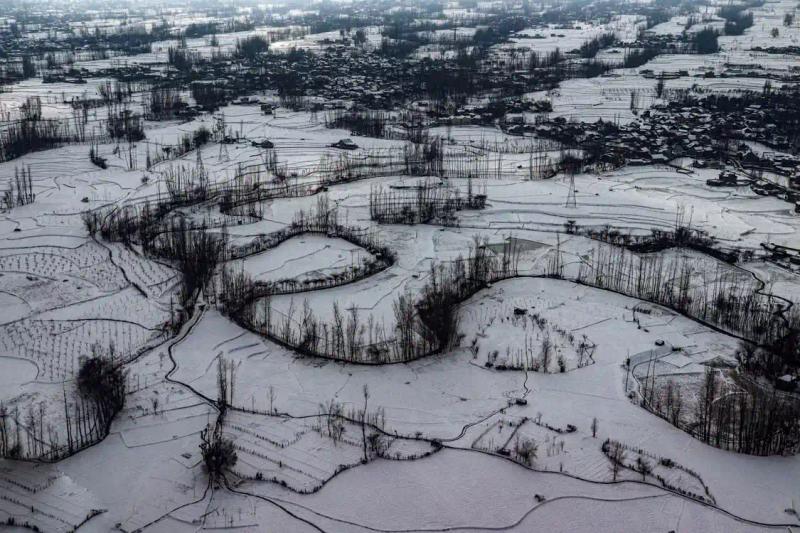
Chillai Kalan in Kashmir is not only about hardship. It is the period when Kashmir snowfall is traditionally most frequent, and that snow is the Valley's water supply in waiting. It settles on the mountains and slowly feeds the rivers, streams, springs and lakes through the warmer months.
That is why people watch the sky during Chillai Kalan with hope as well as dread. A dry spell is a worry, not a relief. Farmers, orchard owners and households that depend on springs and streams all have a stake in whether the snow arrives, and conversations in shops and on buses often come back to the same question: has it snowed yet?
Snow that falls during these weeks also tends to stay on the high ground for longer, which is what allows glaciers and snowfields, including well-known ones such as the Thajiwas Glacier at Sonamarg, to build their reserves. The season is, in a sense, the Valley's savings account, and a poor deposit is felt months later.
The cold also changes the rhythm of ordinary days. Water pipes in some areas can freeze, Dal Lake can freeze during cold spells (our Dal Lake tour package guide covers the lake itself), and snow and ice can slow movement on roads and mountain passes. Life adapts to these constraints, and the adaptation is where most of the traditions come from.
A Changing Season
Chillai Kalan has always varied from year to year, but many in Kashmir feel its character is shifting. Some recent winters have opened with unusually dry spells, with the first meaningful Kashmir snowfall arriving late. Observers and researchers in the region have pointed to rising winter temperatures, a later onset of snowfall and shorter periods of snow cover over the past decade. Snow-dependent activities such as skiing around Gulmarg, which our Gulmarg Gondola Phase 1 and Phase 2 guide describes, tend to feel the change first.
For anyone treating Chillai Kalan in Kashmir as a promise of deep snow, this matters. Chillai Kalan is a reliable cultural calendar and a reliably cold stretch, but it is not a guaranteed snow event. Some years bring heavy snowfall within days of 21 December, others a long wait. Understanding that variability is part of understanding the season.
It is also why seasonal planning works best with flexibility. Our Kashmir winter packages guide looks at how trips adapt when snow changes the plan.
How Kashmir Prepares for the Cold
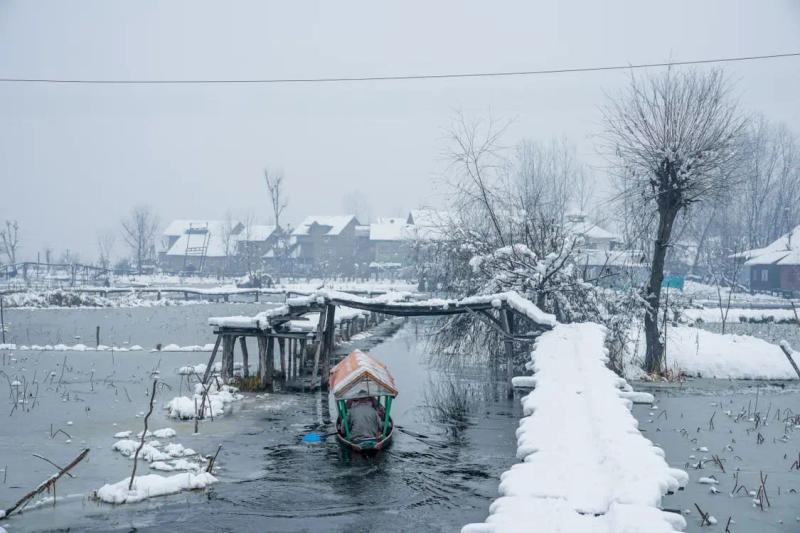
Preparation for Kashmir's 40-day winter begins well before December. Households have traditionally laid in stores of dried vegetables and other preserved foods, so that the kitchen can function when fresh produce is scarce and roads are difficult. Firewood and coal are stocked, warm bedding is aired, and the heaters that anchor a winter home are made ready.
Heating in many homes revolves around a single warm room where the family gathers, often with a traditional wood-fired heater at its centre. Meals, tea and conversation all tend to happen there. The result is a season that is lived indoors and together, with long evenings, shared food and stories that are repeated every year. Even the journey in is shaped by it, and our guide to the Vande Bharat to Srinagar in winter explains how the heated train copes.
Even clothing is organised around the cold. Layers go on early, woollens come out of storage, and the long pheran, described below, becomes the default garment for a large part of the population. By the time Chillai Kalan arrives, the Valley has usually already dressed for it. Visitors can borrow the same habit, and our what to pack for Kashmir guide covers the practical side.
Kashmir Winter Traditions You Will Notice
The kangri and pheran, harissa and kahwa are the Kashmir winter traditions that visitors tend to notice first.
The kangri
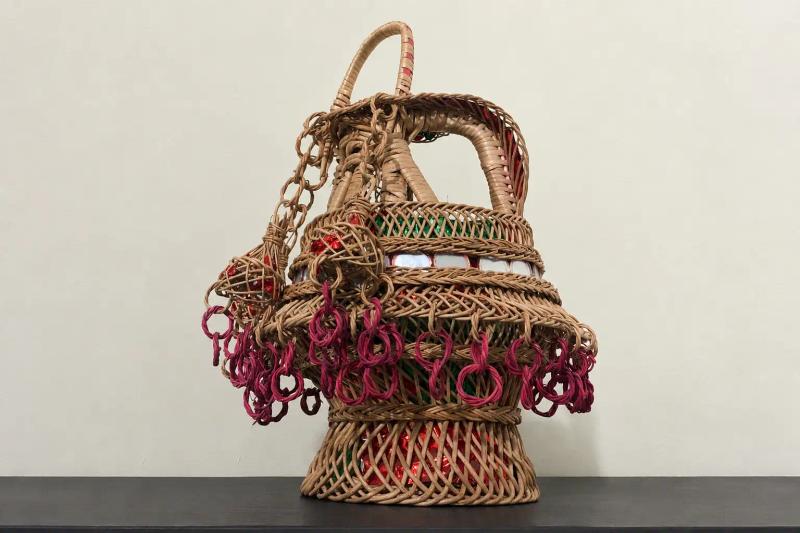
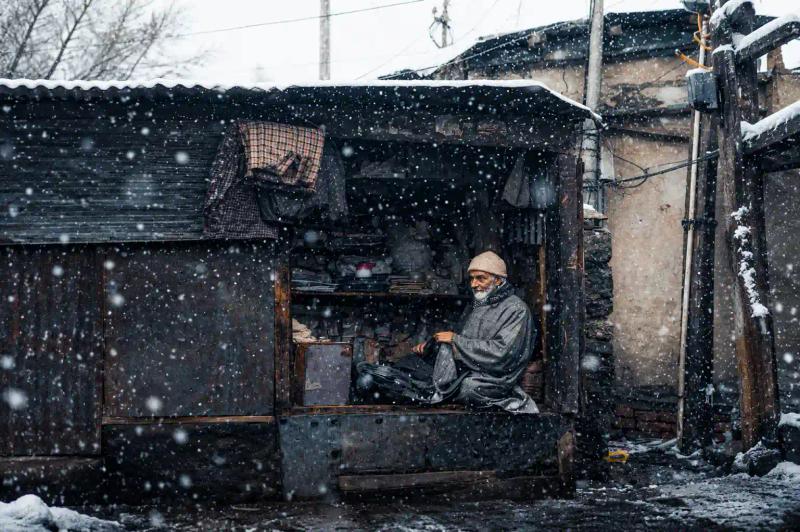
The kangri is a small earthen pot encased in wicker and filled with glowing coals. Kashmiris carry it close to the body through the winter, and its use rises sharply during Chillai Kalan. It is said to date back to the Mughal era, and first-time winter visitors are often surprised to see people carrying fire pots in their hands or laps. If you try one, use it carefully and never in a closed, unventilated room, because burning coal is not safe indoors without airflow.
The pheran
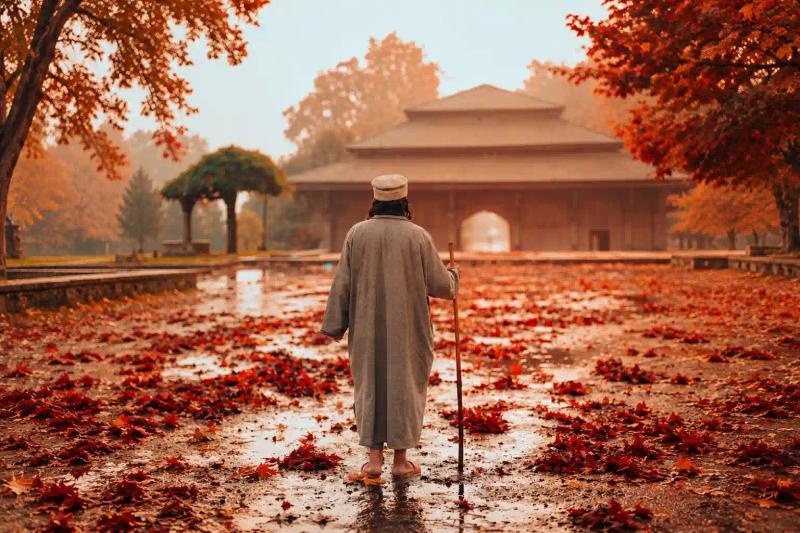
The pheran is the long woollen gown worn across Kashmir in winter, loose enough to hold a kangri beneath it. Together the kangri and pheran are the quiet symbols of the season, and they start appearing in the autumn weeks our Kashmir in November guide describes. Pherans vary from plain everyday garments to richly embroidered ones.
Harissa in Kashmir on winter mornings
Harissa in Kashmir is a slow-cooked meat dish served early in the morning through the cold months, and it is closely tied to Chillai Kalan. Locals believe it keeps the body warm against the cold. It is a seasonal specialty, so it is worth asking where to find it locally and arriving early.
Kahwa and noon chai
A cup of kahwa, the saffron-and-spice green tea of the Valley, belongs to the season as much as the kangri does, as does noon chai, the pink salted tea that many Kashmiris drink through the winter. For the full winter table, from harissa to hamams, our Kashmir winter food and culture guide goes deeper.
Chillai Kalan in Kashmiri Culture
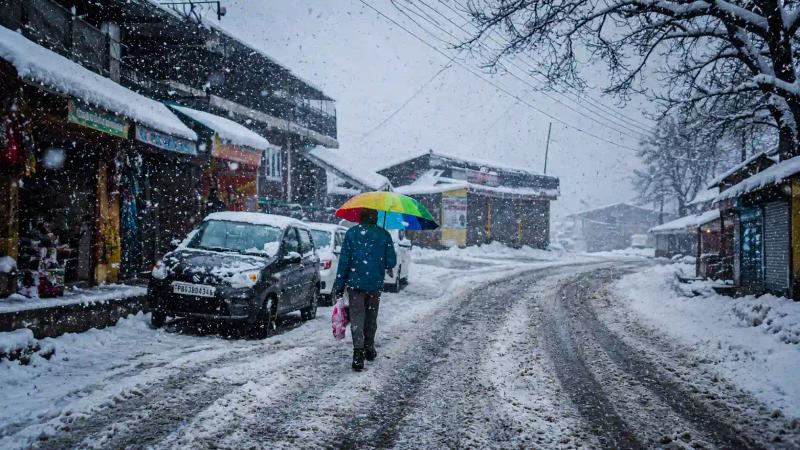
Beyond weather and food, Chillai Kalan in Kashmir carries symbolic weight. For many Kashmiris it stands for endurance: a reminder that hardship is seasonal, that it passes, and that warmth returns. This is why the period features in conversation, poetry, humour and memory, long after the snow has melted.
The cold also pulls people together. Families gather around the same warm room, neighbours check on one another, and the shared effort of getting through the freeze builds a kind of community that is hard to find in milder seasons. Visitors who spend time with local hosts during this period often remember the conversations as much as the scenery, and our article on what local really means for a Kashmir tour operator explains how to find a team that can offer that.
Art, craft and cuisine are part of Kashmir winter traditions too. Embroidered shawls and pherans, warming dishes, and the slow indoor crafts that flourish when the days are short are all part of the season's character, and understanding them adds depth to any Kashmir trip. Older relatives often carry these skills and stories, and if they are travelling with you, our Kashmir tour guide for senior citizens explains how to set a gentler pace.
Experiencing Chillai Kalan as a Visitor
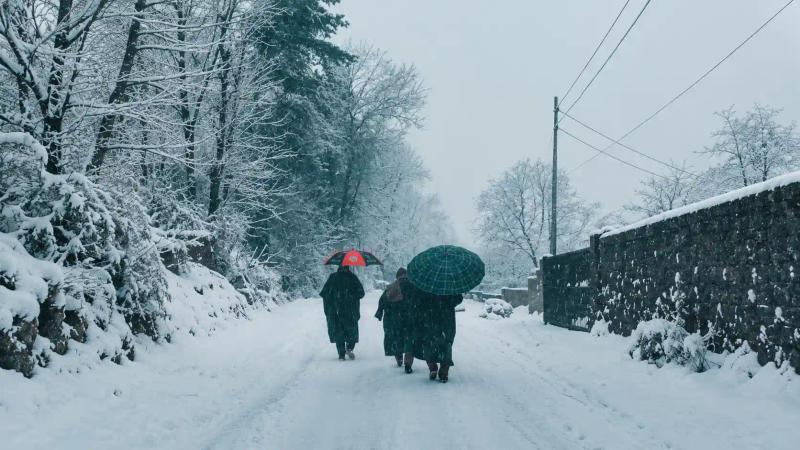
Coming during Chillai Kalan means meeting Kashmir on its own terms. The cold is part of the experience, the pace is slower, and the Valley's customs are visible in daily life: a kangri warming a shopkeeper, steam rising from a tea kettle, harissa served at dawn. Because this guide is about meaning and tradition, trip logistics live in dedicated articles.
The gentlest way to feel the season is from the water, and a quiet shikara ride in Srinagar in the winter stillness shows how different the lake is when the crowds thin out. Time your visits for mornings and evenings, when the light and the customs on the shore are most visible.
Couples often choose the season for its quiet, and our Kashmir honeymoon planning guide shows how they shape a trip. Families travelling together can start with our guide to briefing a Kashmir travel agent for family trips, and should take the cold into account when choosing pace and rooms.
Final Thoughts
Chillai Kalan in Kashmir is winter given a name and a shape. Behind the cold is a calendar inherited across centuries, a water cycle that depends on it, and a set of small habits that turn a hard season into a warm one. It is changing, as all seasons are, but the idea endures: about forty days of deep cold, met with preparation, patience and a good cup of tea.
Contact Us
Planning to see Kashmir during Chillai Kalan, or want to know what the season is like for your dates and your group? The Xogul team is based in the Valley and can help you shape a winter stay around the cold, the snow and the traditions described in this guide.
Tell us your travel dates, group size and what you would like to experience, and we will get back to you with options.
Frequently Asked Questions
1. What is Chillai Kalan?
Chillai Kalan is Kashmir's traditional period of harshest winter, lasting about 40 days from 21 December to 30 January. It is the part of the year when snowfall is most frequent and the cold is most severe, and it is named in Persian after the great forty. It is also the most culturally significant stretch of the Kashmiri winter.
2. When does Chillai Kalan start and end?
The Chillai Kalan dates run from 21 December, around the winter solstice, to 30 January. Sources differ by a day or two. Chillai Kalan 2026 begins on 21 December 2026, the start of the 2026 to 2027 winter. Exact weather varies by year.
3. What does Chillai Kalan mean?
The Chillai Kalan meaning is the great forty. The word chilla means forty and kalan means big or great, both drawn from Persian. The name points to the forty-day stretch of deepest cold in the Kashmiri winter calendar and reflects Kashmir's long cultural ties with Persian traditions.
4. What are Chillai Khurd and Chillai Bachha?
Chillai Khurd is the 20-day small cold from 31 January to 19 February, and Chillai Bachha is the 10-day baby cold from 20 February to 1 March. Together with Chillai Kalan they complete Kashmir's three-part winter, with cold continuing into early March.
5. What is Shab-e-Yalda and how does it relate to Chillai Kalan?
Shab-e-Yalda is the Persian celebration of the longest night of the year, observed on the night of the winter solstice around 20 to 21 December. Chillai Kalan begins at the same point in the calendar, which reflects the historical cultural links between Kashmir and the Persian world and gives the season its symbolic starting point.
6. Why is Chillai Kalan important for Kashmir's water?
Snowfall is most frequent during Chillai Kalan, and that snow settles on the mountains and later feeds rivers, streams, springs and lakes through the warmer months. A dry Chillai Kalan therefore concerns farmers, orchard owners and households well beyond the winter itself.
7. What is a kangri?
A kangri is a traditional earthen pot in a wicker casing, filled with hot coals and carried under the pheran to keep warm. It is widely used in Kashmir, especially during Chillai Kalan, and should be used with care and never in a closed, unventilated room.
8. What is harissa and why is it linked to Chillai Kalan?
Harissa in Kashmir is a slow-cooked meat dish served in the early morning in Kashmir's winter months. It is closely associated with Chillai Kalan because locals believe it keeps the body warm against the deep cold, and it is usually available only in the colder season.
9. Has Chillai Kalan changed in recent years?
Observers and researchers in the region have pointed to rising winter temperatures, delayed snowfall and shorter snow cover over the past decade, and some recent Chillai Kalan seasons have brought unusually little snow. Each year differs, so the season cannot be assumed to be heavy with snow.
10. What is a pheran?
A pheran is the long, loose woollen gown worn across Kashmir during the winter months. It is designed to keep the body warm and to hold a kangri beneath it, and it is one of the most recognisable garments of the Kashmiri winter, from plain everyday versions to richly embroidered ones.


